What to know before you arrive
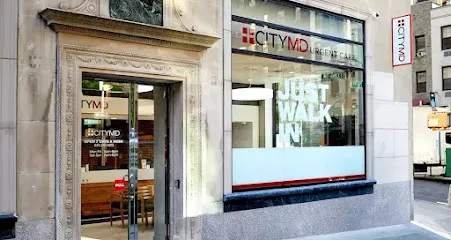
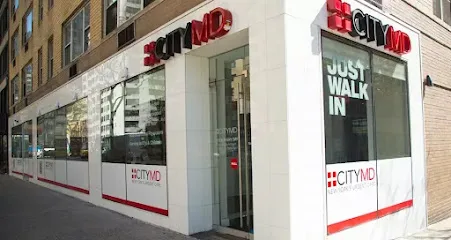
CityMD Park Slope Urgent Care in Brooklyn serves adults and children who need prompt evaluation for common urgent conditions. The clinic is set up for walk-in visits and also offers online check-in to help patients manage wait times. Urgent care is appropriate when symptoms are concerning or worsening, but they do not require emergency-level care.
Common reasons people seek urgent care include fever, sore throat, flu-like symptoms, minor injuries, urinary symptoms, and basic infections that may benefit from on-site testing. For sudden chest pain, trouble breathing, stroke-like symptoms, uncontrolled bleeding, or severe allergic reactions, emergency services are recommended.
Urgent care vs. ER vs. primary care
Knowing where to go can reduce delays. Urgent care clinics are intended for problems that are time-sensitive but not life-threatening. Primary care offices may be a good option for long-standing issues when appointments are available. The emergency department is best for emergencies that require immediate, advanced care.
As a general guide, seek emergency evaluation for severe or rapidly worsening symptoms, including:
- Difficulty breathing or severe shortness of breath
- Signs of stroke (face droop, arm weakness, speech difficulty)
- Chest pain with concerning features or fainting
- Severe dehydration, confusion, or inability to keep fluids down
- Severe injury with heavy bleeding or suspected broken bones
For many other concerns—like mild to moderate infections, minor cuts that may require evaluation, or symptom flare-ups—urgent care is often the right setting.
What this clinic may offer on-site
CityMD Park Slope Urgent Care includes on-site testing and treatments designed for common urgent presentations. Depending on the symptoms and clinician assessment, patients may receive diagnostic testing (such as lab work and imaging) and treatment for conditions that do not require hospital admission.
Potential on-site services commonly include:
- Lab tests for infections and other common concerns
- X-ray for certain injuries or suspected pulmonary issues
- Evaluation of minor wounds, including wound care that may involve stitches
- COVID-19 and flu testing
- IV fluids for select dehydration concerns
Patients with questions about whether a specific symptom fits urgent care should call ahead when possible. Clinicians can also help direct patients to the correct level of care when ER evaluation is needed.
Insurance, cost expectations, and what to bring
Coverage can vary by plan and by the specific service ordered. Many urgent care clinics accept major PPO insurance plans and may accept additional plan types. To avoid unexpected costs, patients should confirm insurance acceptance with the clinic before the visit and bring the insurance card for verification at registration.
Helpful items to bring include:
- Photo ID and insurance card
- A list of current medications and known allergies
- Any relevant medical records (recent test results, imaging reports)
- A phone number and an email address for follow-up instructions
For symptom-focused visits, it can also help to write down when symptoms started, the highest recorded fever (if any), and what home treatments have been tried. This improves the clinician’s ability to assess urgency and choose appropriate testing.
Visit preparation: quick, practical steps
To make the visit run smoothly, consider the following preparation steps:
- Use online check-in if available to help manage your place in line.
- Eat or drink as appropriate based on the expected tests. If fasting might be needed, the clinic will usually advise.
- Bring a mask if you have respiratory symptoms to help reduce transmission risk.
- Plan for follow-up by having a reliable method to receive instructions and test results.
When treating infections, dehydration, or other acute problems, evidence-based guidance generally emphasizes early evaluation and appropriate testing when symptoms suggest bacterial infection or complications. Public health resources from organizations such as the CDC and clinical summaries from professional groups such as the AAFP and ACG can provide background on symptom pathways and when testing may be recommended. Your clinician will apply those guidelines to your specific symptoms and risk factors.
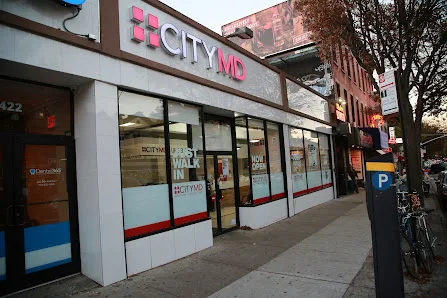
Where to find CityMD Park Slope Urgent Care
CityMD Park Slope Urgent Care is located at 420 5th Ave, Brooklyn, NY 11215. The phone number is available for patients who want to confirm wait times, ask about insurance questions, or clarify visit expectations.
If symptoms worsen while waiting or if you develop emergency warning signs, seek emergency evaluation right away.