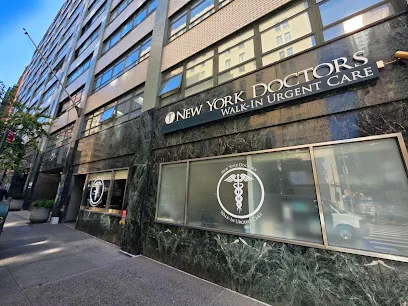
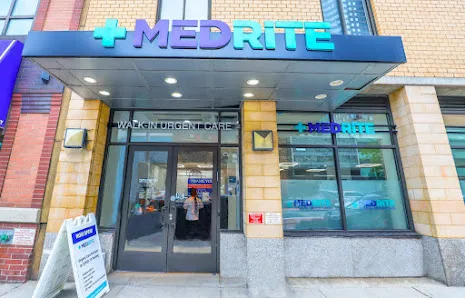
Located at 521 W 42nd St in Midtown Manhattan, +MEDRITE Midtown West Urgent Care - Manhattan provides walk-in urgent care for many common conditions. This guide covers what to know before arriving, how walk-in flow typically works, and practical tips to make check-in and visits smoother.
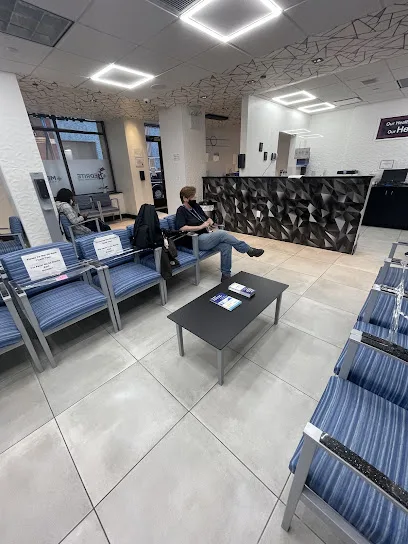
Before You Go: What to Prepare
Walk-in urgent care centers are designed for situations that need prompt evaluation but are not always emergencies. Before arriving at the Midtown West location, consider gathering the information that staff commonly request during check-in:
- Photo ID for registration.
- Insurance card (if applicable) to speed up billing verification.
- A list of medications, including dosage and any recent changes.
- Relevant medical history (for example, chronic conditions, recent surgeries, or prior reactions to medications).
- Details of symptoms such as when they started, whether they are worsening, and any home treatments already tried.
If you have documents in your phone (insurance information, medication list, prior test results), having them ready can reduce back-and-forth at the front desk.
Walk-In Flow: How to Think About Wait Time
Because this clinic is walk-in, visit length can vary based on the number of patients and the types of cases being seen. Patients often experience different wait times depending on time of day and weekday demand. A practical approach is to:
- Arrive with extra buffer time if your symptoms are non-emergent but still time-sensitive.
- Consider calling ahead to confirm current wait conditions when possible.
- Use online check-in if available through the clinic’s registration pathway, especially when you’re planning your day around the appointment window.
If symptoms change quickly—such as severe chest pain, trouble breathing, or signs of stroke—seek emergency care right away rather than waiting for an urgent care visit.
Common Reasons People Seek Urgent Care
Urgent care visits often focus on conditions that are uncomfortable, may worsen without treatment, or require timely assessment and diagnostic testing. At a Midtown walk-in center, patients commonly seek help for:
- Minor injuries and wound care needs
- Fever and flu-like symptoms
- Respiratory complaints such as cough with new or worsening symptoms
- Stomach and digestive issues when symptoms are persistent or concerning
- Basic diagnostic evaluation when a problem needs same-day guidance
Staff may recommend additional tests depending on symptoms and exam findings. Having a clear timeline of symptom onset clinicians determine the next best step.
On-Site Services You May Be Asked About
Depending on the clinical presentation, a walk-in urgent care visit may include evaluation plus common diagnostic services. Patients typically see staff coordinate services such as:
- X-ray for certain injury or chest-related concerns
- Lab testing to support diagnosis
- Wound and stitch care for cuts and lacerations
- COVID-19 and flu testing during respiratory symptom seasons
- IV fluids in cases where hydration support is appropriate
The care team will explain why a test or treatment is recommended and what results could mean for next steps.
Hours and Planning Your Visit
Clinic hours can affect both wait time and which services are available. The listing notes a schedule with opening at 9 AM on Sunday, and the clinic is shown as closed at the time of the referenced status snapshot. Because operating hours can change for holidays or seasonal adjustments, it’s wise to verify timing before traveling.
How to Make the Visit More Productive
To get the most value from an urgent care visit, consider writing down quick notes beforehand:
- Symptom timeline: when it started and whether it’s improving or worsening
- Severity markers: pain level, fever range, breathing difficulty, or frequency of symptoms
- Home treatments tried: what was taken, when, and whether it helped
- Key questions: for example, “Do I need testing?” or “What warning signs should prompt emergency care?”
These details help clinicians focus the evaluation and can also improve communication about discharge instructions.
When to Follow Up or Seek Emergency Care
Urgent care is ideal for prompt assessment, but some conditions require different levels of care. Follow up with the clinic or a primary care provider if symptoms do not improve as expected or if new symptoms develop. If you experience serious warning signs—such as severe shortness of breath, confusion, uncontrolled bleeding, or worsening chest pain—seek emergency services immediately.
Location Details
+MEDRITE Midtown West Urgent Care - Manhattan
521 W 42nd St, New York, NY 10036
Phone: (212) 695-4444
For patients deciding between options, calling ahead about wait time and bringing required documents can reduce friction during walk-in registration.