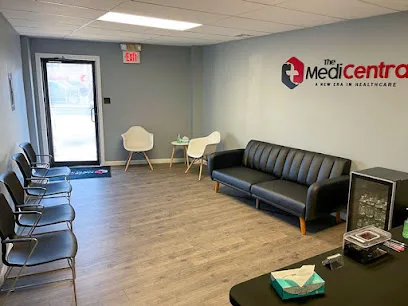
Nao Medical - Astoria Urgent Care offers walk-in support for patients who need timely evaluation for everyday medical problems. When symptoms start suddenly, worsen quickly, or require same-day assessment, urgent care centers determine whether home care is reasonable, additional testing is needed, or higher-level emergency services are appropriate.
 Walk-in urgent care assess common infections, minor injuries, and non-emergency symptoms that need prompt evaluation.
When urgent care is a good fit
Urgent care is generally appropriate for conditions that are not life-threatening but may need medical care within hours rather than days. Examples include:
- Fever or respiratory symptoms such as cough, sore throat, or flu-like illness
- Urinary symptoms (burning with urination, frequent urination) that may suggest infection
- Minor injuries such as cuts that may need wound care or stitches
- Back or joint pain without signs of severe neurologic injury
- Dehydration concerns when oral intake is difficult
For medical emergencies (for example, severe trouble breathing, chest pain, signs of stroke, or uncontrolled bleeding), emergency services are the safer choice.
How a visit typically proceeds
At a walk-in clinic, patients are usually evaluated by a clinical team that reviews symptoms, medical history, and current concerns. Many visits also include targeted diagnostics based on what the patient is experiencing.
Patients can expect questions about:
- When symptoms started and whether they are getting worse
- Any fever, recent exposures, or known sick contacts
- Current medications and allergies
- Relevant past medical conditions (for example, asthma, diabetes, or kidney disease)
 Testing may be offered when it helps clarify the cause of symptoms, such as respiratory illness or infection.
Common on-site services
Urgent care centers commonly provide services designed for same-day decision-making. Depending on your symptoms, your visit at this location may include:
- Lab testing
- Imaging such as X-ray when injury evaluation requires it
- Care for lacerations, including wound management and possible stitches
- COVID and flu testing when indicated
- IV fluids for select dehydration concerns
Not every symptom will require every test. Clinicians typically choose diagnostics based on the history, exam findings, and clinical guidelines.
Insurance, cost, and planning ahead
Coverage and out-of-pocket costs can vary by insurance plan and by the services ordered during the visit. Many urgent care visits accept major insurance plans, but it is still important to bring insurance information and ask about expected billing when possible.
Before the visit, patients can improve clarity on cost by:
- Bringing the insurance card or member information
- Knowing whether a referral is required for coverage
- Asking whether a test or imaging study is likely based on clinical necessity
For the most accurate guidance, confirm eligibility and current pricing with the clinic directly before arrival.
Visit preparation and safety tips
To support a smooth urgent care experience, consider preparing the following:
- A list of medications, including dosages, and known drug allergies
- Any relevant prior test results or discharge papers if you have them
- Questions about next steps, including when to return or seek emergency care
Urgent care is designed for timely evaluation. Follow-up is important, especially if symptoms do not improve, worsen, or new symptoms develop after the visit.
Urgent care vs. the emergency department
Understanding the difference patients choose the right level of care. Urgent care centers are appropriate for many non-emergency problems, while emergency departments are equipped for severe or rapidly deteriorating conditions, such as major trauma or life-threatening infections.
If you are unsure whether your symptoms are urgent, calling ahead clarify the best destination for care. When in doubt about breathing, circulation, or neurologic symptoms, emergency services are appropriate.
Sources for general guidance: Centers for Disease Control and Prevention (CDC) on respiratory virus information; American Academy of Family Physicians (AAFP) guidance on when to seek care; and the American College of Physicians (ACP) for evidence-based evaluation principles.