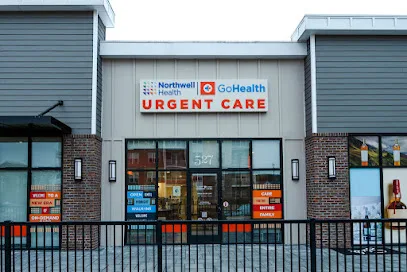
Quick overview: when urgent care
Urgent care clinics are designed for conditions that are medically necessary but not usually life-threatening. Northwell Health–GoHealth Urgent Care (Mineola, NY) supports walk-in visits and evaluating common urgent issues, including symptoms that may benefit from on-site diagnostics such as X-ray and laboratory testing. For guidance on deciding where to go, the American College of Emergency Physicians notes that emergency departments are appropriate for severe or rapidly worsening symptoms (ACEP patient resources). When symptoms are stable and you need timely assessment, urgent care is often a practical next step.
Choose urgent care vs. primary care vs. the ER
Knowing the right level of care can reduce delays. Primary care is usually best for non-urgent problems that can wait for an appointment. Urgent care is commonly appropriate for issues such as minor injuries, infections, and symptom flare-ups that require same-day assessment. The ER is typically recommended for emergencies such as trouble breathing, chest pain, signs of stroke, uncontrolled bleeding, or severe allergic reactions.
In general, if you are unsure, consider using trusted triage guidance. For general fever and infection education, the Centers for Disease Control and Prevention (CDC) provides symptom-based recommendations. For abdominal and GI symptom red flags, the American College of Gastroenterology (ACG) emphasizes seeking emergency care when there is severe pain, blood in stool/vomit, or persistent high fever.
What happens at arrival
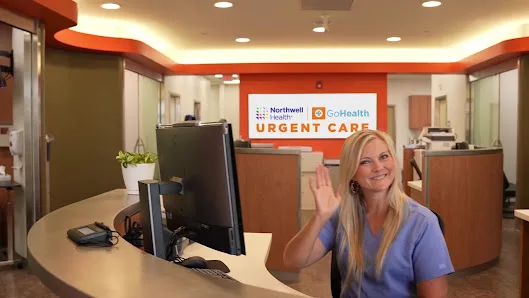
Most visits begin with registration and an intake process. Expect to confirm personal information, the reason for the visit, and any allergies or key medical conditions. A clinician will then review symptoms, perform a focused exam, and determine whether on-site testing is appropriate. Depending on findings, the visit may include diagnostic services such as X-ray or lab testing, as well as treatment for minor injuries or acute infections.
What to bring to your visit
Preparing ahead can make the visit faster and smoother. Bring a photo ID and your insurance card (if you plan to use insurance). If you have relevant medical records, recent discharge paperwork, or a list of current medications, bring those as well—this helps the clinician interpret symptoms and decide on the safest next steps.
If your visit involves symptoms that could require imaging or labs (for example, persistent cough with concern for pneumonia, a painful injury, or fever with worsening symptoms), it can be helpful to note when symptoms started and whether anything makes them better or worse.
On-site services you may need
Northwell Health–GoHealth Urgent Care is listed as a walk-in clinic with X-ray capability and common on-site services. Based on clinic-provided information, typical on-site options may include X-ray, lab testing, wound care for minor injuries, and diagnostic testing for respiratory illnesses (such as COVID-19 or influenza). Some visits may also include supportive treatments such as IV fluids when clinically indicated.
Testing and treatment decisions depend on the history and exam. If imaging or lab work is recommended, the clinician will explain why it is useful for diagnosis and how results affect treatment.
Insurance, cost, and telehealth
Urgent care billing varies by plan and by the specific tests performed. Many urgent care visits accept major insurance plans, and some clinics offer online check-in to help patients manage wait times. For accurate information, it is best to confirm coverage with the clinic and review insurance benefits before arrival.
Some urgent care services may also be offered through telehealth for certain concerns, depending on eligibility and clinical appropriateness. CDC guidance patients understand when home care is reasonable and when medical evaluation should be prioritized.
After your visit: what to watch for
After treatment, follow any discharge instructions provided at the clinic. If symptoms worsen, new red-flag symptoms appear, or you do not improve as expected, seek re-evaluation. For many infections, CDC guidance notes that certain warning signs require prompt medical attention. When symptoms are severe or rapidly changing, emergency care may be appropriate.
When to seek emergency care right away
Go to the ER or call emergency services for life-threatening symptoms, including severe chest pain, trouble breathing, signs of stroke (face drooping, arm weakness, speech difficulty), uncontrolled bleeding, or severe dehydration with confusion or inability to keep fluids down. When urgent care is not the right fit, rapid escalation can be lifesaving.
Contacting the clinic before you go
If your symptoms are complex or you want to reduce uncertainty about wait time or testing availability, calling ahead. For the most current hours and visit options, check the clinic listing information associated with Northwell Health–GoHealth Urgent Care in Mineola.