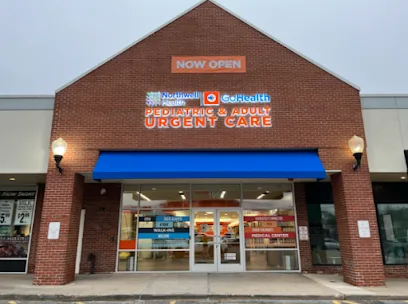
What urgent care is for (and when to choose the ER)
Urgent care centers are designed for illnesses and injuries that need timely treatment but are not life-threatening. The U.S. Centers for Disease Control and Prevention (CDC) notes that many respiratory and fever-related conditions can be assessed in outpatient settings, and the American Academy of Family Physicians (AAFP) emphasizes matching the level of care to symptom severity. If symptoms suggest a medical emergency—such as trouble breathing, chest pain, signs of stroke, uncontrolled bleeding, or severe allergic reactions—patients should go to the emergency department immediately rather than waiting for an urgent appointment.
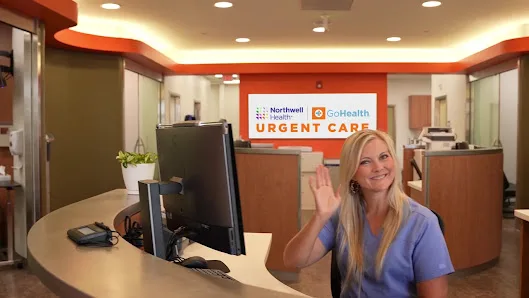
Arrival and intake: how the visit usually starts
At Northwell Health-GoHealth Urgent Care in Smithtown, patients typically complete registration and a basic medical history review. Staff may ask about the current complaint, symptom onset, past medical conditions, allergies, and current medications. For patients who plan ahead, online check-in options may be available, which can reduce time spent waiting in the clinic.
Because urgent care is fast-paced, it helps to have key information ready before registration begins, including the reason for visit, the timeline of symptoms, and any prior test results that are relevant.
What clinicians can evaluate on-site
Common urgent care needs include evaluation of minor injuries, guidance for infections, and assessment of symptoms such as fever, sore throat, cough, urinary discomfort, or gastrointestinal upset. Northwell Health-GoHealth Urgent Care also provides on-site diagnostics, which may include X-ray and lab testing, supporting faster decision-making for conditions that require imaging or blood/urine studies.
Patients should expect a clinical exam and, when appropriate, on-site tests. If symptoms require additional imaging, specialty consultation, or inpatient-level care, clinicians can recommend the next appropriate setting.
Insurance, billing, and cost preparation
Urgent care visits usually bill as an outpatient service. Many urgent care centers accept a range of major insurance plans, and patients are encouraged to confirm coverage with the clinic or insurer before arrival when possible. Medicare and Medicaid coverage may also apply depending on eligibility and plan details. For self-pay patients, costs vary based on services ordered (such as X-ray or labs) and whether prescriptions or procedures are included.
To reduce billing confusion, bring a photo ID and insurance card (or proof of coverage). If the patient has a prior authorization requirement, ask about it during intake. For guidance on antibiotic stewardship in outpatient settings, clinicians often follow evidence-based recommendations (including principles emphasized by organizations such as AAFP) to avoid unnecessary antibiotics when viral illness is likely.
What to bring to make the visit smoother
- Photo ID and insurance card (or information for self-pay)
- Medication list (including dose and schedule) and known allergies
- Symptom timeline (when symptoms began and whether they are worsening)
- Relevant prior records (recent lab results, imaging reports, discharge paperwork)
- Comfort items when appropriate (glasses/contacts, mobility aids)
If the visit involves a child, having weight information and the dosing of any over-the-counter medications already tried clinicians quickly determine next steps.
Before you leave: follow-up, test results, and return precautions
Before discharge, clinicians should explain expected improvement, how and when test results will be shared, and what symptoms should trigger an urgent re-evaluation. Many professional organizations emphasize clear return precautions to prevent delays when conditions worsen. If a patient is told to return for worsening symptoms, seek care promptly.
When test results are pending, patients should confirm when they will be contacted and how to access results. For persistent or escalating symptoms, contacting the clinic or seeking emergency care may be necessary.
Frequently asked question: does urgent care replace primary care?
Urgent care does not replace a primary care clinician for ongoing management of chronic conditions. It is best used for short-term, time-sensitive problems. For GI-related symptoms, clinicians may recommend follow-up with primary care or gastroenterology if symptoms persist, recur, or require longer-term evaluation. The American College of Gastroenterology (ACG) emphasizes appropriate escalation based on alarm symptoms and duration of illness.
For patients near Smithtown seeking same-day evaluation for non-emergent concerns, Northwell Health-GoHealth Urgent Care offers a walk-in approach with on-site X-ray and lab testing capabilities.