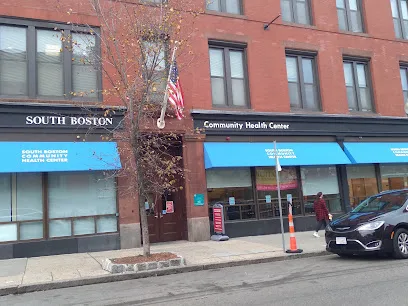
When symptoms show up unexpectedly, one of the first decisions is figuring out the right level of care. A walk-in urgent care visit can be a good fit for conditions that need timely attention but aren’t clearly life-threatening. Emergency care is for situations that may be immediately dangerous. This guide focuses on choosing for a South Boston Community Health Center (SBCHC) walk-in urgent care visit in South Boston.
General guidance helps you plan, but it can’t replace clinical judgment. If you’re dealing with severe or life-threatening symptoms, it’s important to escalate to emergency services.
Walk-in urgent care vs. the ER for common symptom severity
Walk-in urgent care is typically meant for non-life-threatening illnesses and injuries that still need prompt, same-day evaluation. Many people use urgent care when symptoms are uncomfortable, worsening, or interfering with daily life—especially when they’re not clearly “call 911 right now” emergencies.
If symptoms suggest something immediately dangerous, the safer choice is emergency care. That includes situations such as trouble breathing, chest pain, or severe bleeding. In those cases, prioritize safety and emergency services over convenience.
Before you walk in: SBCHC specifics at 409 W Broadway
For planning, SBCHC’s public contact details are: 409 W Broadway, Boston, MA 02127 and +1 617-269-7500. The official website is http://www.sbchc.org/.
Community context may also help. SBCHC shows a 4.0 rating from 297 reviewers. Reviews can offer a general sense of experience, but they don’t guarantee that every type of urgent care visit will be handled immediately—so confirming your situation is still a smart step.
Phone-first steps: what to confirm about your symptom category
Even with walk-in urgent care, real-world demand can affect wait times. If you’re not sure whether your symptom category is appropriate for urgent care, calling SBCHC at +1 617-269-7500 can help you confirm that your situation is something they can evaluate and how you should plan your visit.
If you plan to arrive without calling, you can still make your first interaction smoother by preparing concise details the care team can use for triage:
- When your symptoms started and whether they’re improving or worsening
- Any triggers or changes (for example, an exposure, missed doses, or how an injury happened)
- Your age and any relevant medical history you think matters
- Any documentation you can share if asked (for example, photos for rash or wound concerns)
Deciding on urgency: symptoms that may progress vs. those that feel stable
A helpful way to think about urgent care is how soon you may need evaluation because symptoms could progress—even if they don’t look life-threatening at the moment. If your condition is stable but uncomfortable, you may have more flexibility. If symptoms are steadily getting worse, urgent care becomes a better fit because it supports timely assessment.
It’s also reasonable to factor in your level of concern. If something feels unpredictable or you’re unsure whether it’s safe to wait, choosing the safer option is usually the right approach.
What to bring when you’re using SBCHC walk-in urgent care
Before you go, consider asking or preparing for typical visit logistics, since requirements can vary. For example, you may want to have ready identification, insurance information, and a medication list. If there are ways to streamline arrival for walk-in urgent care, asking ahead can reduce avoidable delays.
When SBCHC walk-in urgent care is not the right level of care
If symptoms feel severe, rapidly changing, or clearly beyond what you can comfortably judge at home, emergency care may be the safer choice rather than relying on a walk-in urgent care visit.
For SBCHC, you can use the concrete planning details—409 W Broadway and +1 617-269-7500—to confirm that your planned walk-in urgent care visit aligns with what the clinic can support today.