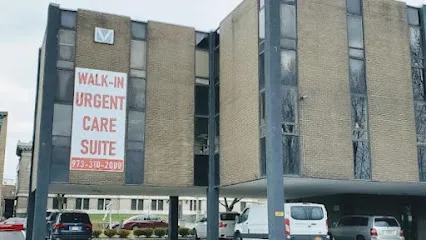
When symptoms don’t feel like they can wait for a routine appointment, many people look for walk-in urgent care—places built for same-day evaluation of everyday, non-emergency concerns. If you’re considering the U. of R location at 919 Westfall Rd, Rochester, NY 14618, this guide focuses on the practical decisions you can make before you arrive.
Walking in for urgent care: match the visit to your situation
Walk-in urgent care is for times when you need timely clinician assessment, but it’s not clearly a “call 911 right now” emergency. That usually means you’re dealing with concerns that need prompt attention, like sudden pain, fevers, minor injuries, or symptoms that are changing over the course of a day.
Because walk-in clinics can move based on current volume, the most useful step before driving is to call the office phone at +1 585-341-7500. Ask what they can evaluate quickly for your symptom category, and confirm that your concern fits what they see on a walk-in basis. A brief call can help you avoid arriving for something that needs a different type of care.
Confirm the check-in workflow and visit details by phone
It’s also a good idea to verify how their walk-in flow works right now. If online check-in is available, ask whether they support it for your visit type, since reducing time spent in a waiting area can make a difference when you’re feeling unwell.
By phone, consider asking about:
• The best arrival window: if they’re running ahead or behind at different times of day.
• What they can handle onsite: whether your specific concern can be addressed immediately or may require referral.
• What to have ready for check-in: such as identification and insurance information.
Bring your “clinical facts” to speed up triage and reduce confusion
To make check-in faster and help the clinician understand your situation, bring items that connect your symptoms to your medical history:
• A list of current medications (or your pill bottles), including doses if you know them.
• Any allergies and a brief description of when symptoms began.
• Key background information such as relevant diagnoses, recent procedures, or recent lab/scan results if you have them.
If your visit involves an injury or wound, photos can be helpful—especially if symptoms have changed and you can take pictures safely before leaving. Having clear, dated information can reduce confusion during the visit.
Use quality signals carefully, and rely on phone confirmation
People often look for quick quality cues when choosing a walk-in clinic. In this draft, a listing-based signal referenced a 3.7 rating from 3 reviewers. Ratings can’t replace clinician judgment, and the specific source or platform wasn’t clearly tied to the draft—so treat any rating as a preliminary signal only, and prioritize confirming visit fit directly with the clinic.
For authoritative context about the broader organization, the official site is https://www.rochester.edu/. If you use the website for navigation, double-check you’re matching your concern to the correct clinical location and team.
When walk-in urgent care isn’t the right level of care
If you have severe symptoms, rapidly worsening issues, or signs that feel beyond what you’d describe as “non-emergency,” don’t rely on a walk-in decision alone. In those moments, it’s safer to seek emergency-level care or follow the guidance you receive from the clinic after you call.
For many patients, walk-in urgent care can be a practical middle ground—helping address urgent symptoms the same day while avoiding delays. If you’re considering the U. of R address at 919 Westfall Rd, your best next step is simple: call +1 585-341-7500, confirm the visit fits your concern, and then arrive with the information that helps the clinician assess your symptoms quickly.