When urgent care is appropriate
Urgent care clinics are designed for problems that need prompt evaluation but are not typical emergency situations. A visit is often appropriate for new or worsening symptoms such as fever with stable breathing, sore throat with concerning severity, uncomplicated urinary symptoms, minor cuts that may need closure, or muscle strains after an injury. If symptoms are severe, rapidly progressing, or include danger signs, an emergency department visit is the safer option.
Professional guidance from major medical organizations emphasizes triage based on overall risk and symptom severity. Patients should seek emergency care for examples such as chest pain with concerning features, trouble breathing, signs of stroke, heavy bleeding that will not stop, or severe head injury.
Common reasons adults use walk-in urgent care
Many patients come to urgent care for conditions that benefit from physical exam and basic diagnostics. Typical examples include:
- Respiratory infections (cough, sore throat, mild to moderate fever) where testing may guide treatment.
- Minor injuries such as sprains, strains, or wounds that may need stitches and wound care.
- Urinary symptoms such as burning or frequent urination when there are no red flags like severe flank pain with high fever.
- GI-related dehydration risk from vomiting or diarrhea when fluids are difficult to keep down and symptoms are worsening.
- COVID-19 and flu symptoms during respiratory virus seasons when test results can clarify next steps.
What Urgent Care Center Of NYC may offer during a visit
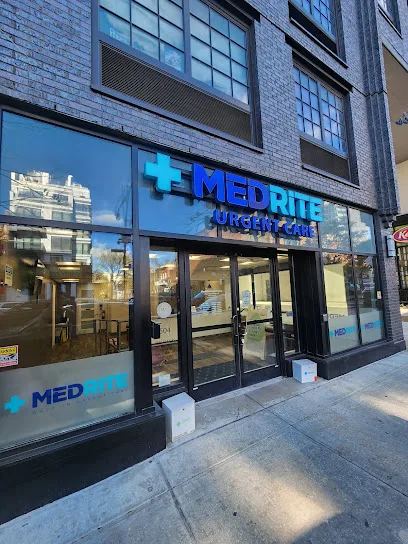
Urgent Care Center Of NYC is a walk-in clinic located at 952 5th Ave, New York, NY 10075. According to the clinic’s service highlights, visits may include on-site support for diagnosis and treatment such as X-ray, lab testing, stitches and wound care, COVID/flu testing, and IV fluids when dehydration is a concern.
Insurance, cost, and practical arrival tips
Urgent care billing and out-of-pocket costs can vary based on insurance coverage and which services are ordered (for example, imaging, laboratory tests, or IV fluids). Before arrival, patients may want to confirm insurance acceptance and ask about how additional services like X-ray or lab panels are billed.
For a smoother intake and safer medication reconciliation, bring a photo ID, insurance information, and a current list of medications and allergies. Note symptom start time and whether symptoms are improving or worsening. For injuries, share what happened and whether there was any head impact or loss of consciousness.
How to decide urgent care vs. primary care vs. the ER
When symptoms are mild and stable, primary care may be appropriate. When symptoms are urgent, new, or worsening within hours to a day, urgent care often provides faster access to evaluation. The ER is recommended when danger signs are present or when patients are at higher risk for complications.
In general, patients should also consider emergency evaluation for dehydration with inability to keep fluids down, severe abdominal pain, or ongoing vomiting with worsening weakness. For GI symptoms like severe abdominal pain, fever, or blood in stool, immediate evaluation may be necessary.
Bottom line
Urgent Care Center Of NYC supports walk-in urgent care in New York, NY for many same-day needs, including potential services such as X-ray, lab testing, stitches and wound care, COVID/flu testing, and IV fluids. For emergencies or danger signs, patients should go to an emergency department. For urgent but non-emergency symptoms, preparing medical information and understanding triage support a quicker, safer visit.
Sources for general guidance: Centers for Disease Control and Prevention (CDC) recommendations for respiratory infections, the American Academy of Family Physicians (AAFP) resources on when to seek urgent or emergency care, and condition-specific guidance used for patient triage.