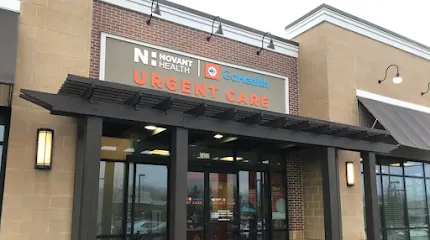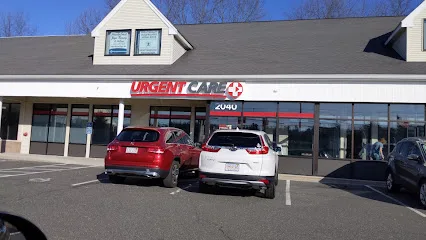
When symptoms start quickly, it’s tempting to pick the closest clinic. But with urgent care, the better first question is “Does this setting match what I need right now?” For patients comparing options in the Wilbraham area, Urgent Care of Wilbraham is publicly listed with a walk-in urgent care model and clear contact details—so you can focus on fit, logistics, and safety before you drive.
In this guide, “fit” means the clinic can reasonably support the kind of issue you’re dealing with on a same-day basis, while you still know when to choose emergency care instead.
Start with the urgent care “fit boundary”
Walk-in urgent care is designed for time-sensitive concerns that are not the kind of emergency that typically requires an ER. Before you go, sort your situation into one of two lanes:
- Often appropriate for urgent care: symptoms that are uncomfortable or worsening and may need same-day assessment, basic testing, or treatment in an outpatient setting.
- Often not appropriate for urgent care: situations where there are clear signs that you need emergency-level evaluation.
If you’re unsure, call ahead and describe symptoms briefly. That conversation helps you confirm whether urgent care is a safe match for what you’re experiencing.
Use Urgent Care of Wilbraham’s public visit logistics to plan
Urgent Care of Wilbraham lists patient support and scheduling through its public contact and visit pages, and the clinic’s office hours are published on its website. The clinic is listed at 2040 Boston Road #5 Wilbraham Crossing, Wilbraham, MA 01095, United States and the phone number is +1 413-599-3800.
For many walk-in visits, timing matters. The clinic’s posted hours are Monday–Friday 8:30am–7pm and Saturday–Sunday 8:30am–5pm, with registration starting at 8:30AM and ending 30 minutes prior to closing. It’s also noted that clinic and support offices are closed on specific holiday dates.
Public patient feedback is also visible: the listing shows a 4.4 rating from 443 reviewers. Reviews can’t tell you what your specific visit will be like, but they can help you gauge general patient experience while you still confirm details directly.
What to bring (so your visit doesn’t slow down)
Even in a walk-in setting, preparation can reduce back-and-forth. Before you arrive, gather:
- Photo ID and the insurance card you plan to use.
- A medication list (or photos of labels), including any allergies.
- Brief symptom timeline (when it started and whether it’s getting better or worse).
- Relevant test results if you have them (for example, recent labs or imaging reports).
If you’re calling first, you can also ask what they recommend you bring for your specific concern. This is especially helpful when you’re balancing school/work timing with the urgency of symptoms.
Confirm coverage before you assume it’s “in-network” for your situation
The clinic’s website states that it accepts most health insurance plans and notes it is contracted as an in-network provider with specific payers (the detailed list is shared on its site). Because coverage details can vary by plan and service type, it’s smart to confirm with your insurer or the clinic’s billing support before your visit if cost is a key concern.
Ask the right questions so you know what happens next
Instead of asking only whether you can be seen, aim for “what happens next” questions. For example:
- “Will you be able to evaluate this today, and if testing is needed, is it handled on-site?”
- “Do you recommend online check-in or should I plan to register on arrival?”
- “If my symptoms change, when should I switch to emergency care?”
When you can, ask someone you trust to stay available by phone during the visit—especially if you’re bringing a child or if you expect decision-making about follow-up care.
When to choose emergency care instead
Urgent care can be a good option for many time-sensitive problems, but it is not a substitute for emergency services when the situation calls for immediate ER-level evaluation. If you have severe symptoms, rapidly worsening signs, or you’re worried something is life-threatening, prioritize emergency care and call local emergency services.
For questions about whether urgent care is a safe fit, use the clinic phone number and share a clear, brief description of symptoms. The goal is simple: match the right level of care to the urgency of what you’re experiencing.