Overview: what urgent care handles (and what it does not)
Urgent care centers are designed for situations that need prompt medical attention but are not typically life-threatening emergencies. Many common problems can be evaluated the same day, including minor infections, fevers, respiratory symptoms, non-life-threatening injuries, and routine diagnostic tests. In contrast, symptoms such as trouble breathing, chest pain with concerning features, severe or worsening neurologic symptoms, or uncontrolled bleeding generally require emergency department evaluation.
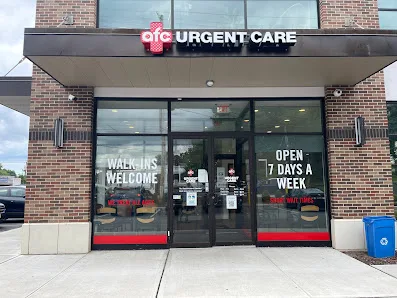
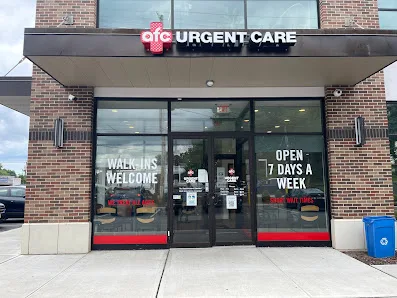
AFC Urgent Care Little Ferry provides walk-in urgent care services in Little Ferry, New Jersey, supporting both children and adults. For patients deciding between home care, primary care, and urgent care, the key is timing: if symptoms are worsening, affecting daily functioning, or you cannot safely wait for the next available appointment, urgent care can be a reasonable next step.
When to choose urgent care at AFC Little Ferry
Urgent care is often appropriate for conditions where a timely exam and basic testing can guide next steps. Consider urgent care when symptoms are bothersome or progressing, and you need evaluation outside standard office hours.
Common reasons people seek urgent care include:
- Fever, sore throat, or symptoms of respiratory infection
- Urinary symptoms such as dysuria or frequent urination (when not suggestive of severe illness)
- Minor injuries, sprains, cuts, and wound care needs
- Gastrointestinal illness such as vomiting or diarrhea when dehydration risk is a concern
- On-site testing for COVID-19 and influenza during periods of community spread
In addition, urgent care may be used for non-emergent occupational health needs, depending on the clinic’s services and documentation requirements.

What to expect during your visit
AFC Urgent Care Little Ferry supports a walk-in model for many urgent needs. Many patients start with a brief intake process to confirm the main concern, symptom timeline, and relevant history. Clinicians typically conduct a focused physical exam and then determine whether testing or treatment is appropriate.
Depending on symptoms, the clinic may perform services commonly associated with urgent care, such as:
- Vitals and physical examination
- Diagnostic testing, including labs and imaging when needed
- On-site care for minor wound concerns, including stitches when appropriate
- COVID-19 and influenza testing
- Supportive care such as IV fluids for dehydration risk
Results and treatment plans are usually discussed directly after evaluation. If a condition is outside urgent care scope or needs specialized care, referral to a higher level of care may be recommended.

Insurance, cost considerations, and documentation
Cost and coverage vary based on insurance plans, network status, and the type of service provided. Before arrival, patients may want to verify coverage for urgent care visits and any planned tests. Calling the clinic clarify expected billing, co-pays, and whether the specific service is covered.
For documentation-sensitive needs (including some occupational health requirements), bringing the required paperwork can reduce delays. Patients should also have a current medication list available, including dose and schedule.
For guidance on general health decision-making, major organizations such as the Centers for Disease Control and Prevention (CDC) and the American Academy of Family Physicians (AAFP) emphasize that choosing the right care setting depends on symptom severity, timing, and available testing. When symptoms suggest a medical emergency, the emergency department is the appropriate choice.
What to bring to AFC Little Ferry
Being prepared can make the visit smoother and help clinicians make accurate decisions. Consider bringing:
- Photo identification
- Insurance card information (or details for billing verification)
- A list of current medications and allergies
- Any relevant medical history or prior test results
- The approximate symptom start date and a short description of how symptoms changed
For children, parents may also want to bring information about recent exposures (for example, sick contacts) and any prior vaccinations. For patients seeking infectious disease testing, note timing of symptom onset, fever history, and symptom severity.
When to seek emergency care instead
Urgent care is not a substitute for emergency services when symptoms indicate potentially life-threatening illness or injury. If there are red flags, go to the emergency department or call local emergency services.
Examples of symptoms that typically warrant emergency evaluation include:
- Severe trouble breathing, blue lips, or inability to speak in full sentences
- Chest pain or pressure with concerning features
- New confusion, fainting, or severe weakness
- Signs of stroke (face drooping, arm weakness, speech difficulty)
- Uncontrolled bleeding or severe head injury
- Severe dehydration (such as minimal urination or inability to keep fluids down)
Public health and clinical guidance sources, including the CDC, underscore the importance of urgent evaluation for severe symptoms. When in doubt, err on the side of emergency care.
Useful tips for the day of your visit
Plan for a short waiting period, especially during peak hours and illness seasons. Patients can reduce administrative delays by reviewing insurance information in advance and ensuring paperwork is ready. If symptoms involve contagious illness, consider wearing a mask and practicing hand hygiene while waiting, when feasible.
For specific testing needs—such as evaluation for COVID-19 or influenza—sharing symptom onset timing helps clinicians select the most appropriate tests. After your visit, follow the clinician’s instructions for medications, supportive care, and return precautions.
Related reading
- CDC guidance on respiratory viruses and when to seek care
- AAFP resources on managing common urgent care conditions
- ACG patient education on GI symptoms that may require prompt evaluation