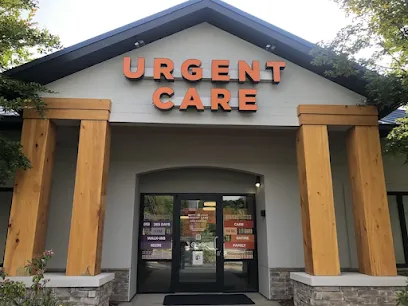
A child may have questions about an urgent-care visit before a caregiver has all the answers. A short, honest explanation, a familiar comfort item, and a few essentials organized ahead of time can make the trip easier to navigate for both child and caregiver.
Set expectations in simple, honest language
Describe the immediate sequence: you will go to a clinic, check in, wait, and talk with a healthcare professional. If you do not know whether an examination or other step will be needed, explain that the healthcare professional will decide after speaking with you.
Choose words and detail for the child’s age and communication style. A younger child may do better with one or two concrete sentences—“We’re going to a clinic, and we’ll wait together”—while an older child may want more context and time to ask questions. Give information in manageable pieces; a long explanation can make an unfamiliar event feel more complicated.
Pack for comfort and waiting
Choose one or two compact, familiar items the child already finds reassuring, such as a small toy, book, or comfort object. Familiarity matters more than having a large selection: a favored object is easy to locate and can give the child something recognizable in a new setting. A quiet activity that works without an internet connection—drawing, a small puzzle, or a story—offers another option if the wait lasts longer than the child expects.
Think of snacks and drinks as situational rather than automatic additions. A caregiver can decide whether they make sense for the child and circumstances; they are not a substitute for any instructions the clinic may have provided. For a young child, an age-appropriate change of clothes may be more useful than extra toys. Keep the bag light enough to manage while checking in and staying close to the child.
Keep practical information easy to find
Separate paperwork from comfort items so the caregiver can reach it without unpacking the child’s activities. Put relevant identification, insurance information if applicable, and visit-related paperwork together in one pocket or folder. Keeping these items in a consistent place can reduce the small distractions that compete for attention during check-in.
A concise medication and allergy list can also help a caregiver share information accurately, especially when stress makes details harder to recall. Use information you can reliably provide, and note uncertainties rather than filling them in from memory. The aim is not to assemble a complete medical history in the waiting room; it is to make the facts most relevant to the visit easier to communicate. A brief note of when the current concern began and what has changed can also keep the account focused; distinguish what you observed from what the child reported, and include measurements only if you already have them. For local planning, you can also view the AnMed Urgent Care - Greenville Laurens Road directory page.
Adapt the plan to this child
Children differ in how they handle unfamiliar people, noise, transitions, and waiting. Consider what has helped this particular child in other new situations: advance notice, a familiar communication aid, a predictable sequence, or having a trusted caregiver explain what is happening. If mobility or sensory needs shape the outing, keep the items the child relies on accessible rather than buried at the bottom of a bag.
For example, a child who finds sudden transitions difficult might follow a simple visual sequence: leave home, arrive, wait, meet staff. The caregiver can point to each step as it happens, giving the child a concrete cue for what comes next. A child who prefers more information may want to help choose the book or comfort object to bring.