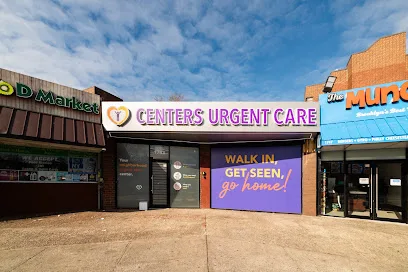
Urgent care in Astoria for common, non-life-threatening problems
BreezeMed Urgent Care Astoria is a walk-in urgent care clinic in Astoria, Queens, designed for same-day evaluation when symptoms require prompt medical attention but do not appear life-threatening. Urgent care is typically used for conditions such as fever with flu-like symptoms, sore throat, cough, stomach upset, dehydration concerns, minor cuts and burns, sprains, and other acute issues that can’t comfortably wait for a routine primary care appointment.
Urgent care vs. the ER vs. primary care
Choosing the right level of care depends on the severity and urgency of symptoms. The ER is intended for emergencies where there is a risk of serious harm without immediate treatment. Urgent care is best for problems that are concerning, painful, or disruptive but generally stable enough for outpatient assessment.
- Consider the ER: severe trouble breathing, chest pain/pressure, signs of stroke, uncontrolled bleeding, severe abdominal pain with rigid belly or significant worsening, fainting, or symptoms accompanied by extreme weakness.
- Often appropriate for urgent care: moderate fever, persistent vomiting or diarrhea without signs of shock, suspected urinary tract infection symptoms, mild-to-moderate injuries such as sprains, cuts needing evaluation, and symptom flares that need same-day guidance.
- Often appropriate for primary care: chronic conditions needing ongoing management (for example, medication refills, long-term diabetes or blood pressure follow-up) without acute red flags.
When in doubt, local triage guidance such as CDC symptom information and clinician judgment. If symptoms are worsening rapidly, it is safer to seek emergency evaluation.
What BreezeMed Urgent Care Astoria can evaluate and treat
BreezeMed Urgent Care Astoria prompt diagnosis for common urgent needs. On-site services can support same-visit decision-making, helping reduce the time between symptoms and treatment planning.
- Infectious and respiratory complaints: cold and flu symptoms, sore throat, and evaluation for COVID-19 or related viral illnesses.
- Stomach and dehydration concerns: assessment for acute stomach upset, ongoing vomiting/diarrhea, and when IV fluids may be appropriate.
- Minor injuries: sprains and strains, cuts and wound care needs, and burns that require medical evaluation.
- Diagnostic support: on-site lab testing and digital X-ray services to help clinicians evaluate suspected injuries and inflammatory or infectious presentations.
What to expect during the visit
Urgent care visits generally follow an efficient process: registration/intake, assessment by a clinician, and—when indicated—diagnostic testing. Patients with injuries may need an evaluation for extent of tissue damage, appropriate wound care, or fracture suspicion. Patients with respiratory or GI symptoms may receive testing and targeted supportive treatment based on the clinical picture.
To support faster care, bringing useful details. Consider bringing a list of current medications, allergies, and past medical conditions. For children, documentation of vaccination status and any recent exposures can be helpful. If possible, bring a phone number for the patient’s parent/guardian for timely consent and follow-up questions.
Insurance, cost, and when to ask about pricing
For many urgent care needs, cost varies based on insurance coverage, test utilization, and whether a prescription is provided. BreezeMed Urgent Care Astoria is listed as accepting most insurance plans and supports online check-in options. Patients who are concerned about out-of-pocket costs can ask how fees may be structured before testing when possible.
For guidance on what urgent care can and cannot do, general recommendations from clinical organizations emphasize triage, appropriate testing when indicated, and patient education on when to return for worsening symptoms. The most important factor is whether the patient’s condition can be safely managed in an outpatient setting.
Quick checklist: bring these items for faster registration
- Photo ID and insurance card (or information needed to verify coverage)
- Medication list and allergy list
- Any prior test results or discharge summaries relevant to the current issue
- Brief timeline of symptoms (when they started, what changed, and any home treatments tried)
- For injuries: description of how the injury occurred and whether there was a fall, impact, or exposure to contaminants
For emergencies or rapidly deteriorating symptoms, urgent care may not be the safest choice. If breathing is difficult, bleeding cannot be controlled, or neurological symptoms occur, emergency care is recommended.
When to follow up after urgent care
After evaluation, follow-up is important if symptoms do not improve within the expected timeframe, if new symptoms appear, or if diagnostic testing returns abnormal results. Clinicians may recommend additional treatment, a primary care follow-up, or a specific timeframe for reassessment.
Clinical resources from the CDC and major primary care organizations support patient education on symptom monitoring, hydration, and when to return for urgent reassessment. Staying alert to worsening signs remains essential even when the initial evaluation is reassuring.