Urgent care vs. ER vs. primary care
Urgent care is designed for conditions that need prompt evaluation but are not typically life-threatening. In Queens, this often includes symptoms such as worsening fever, sore throat, uncomplicated respiratory infections, minor injuries, or problems that require same-day assessment. For situations involving severe chest pain, trouble breathing, signs of stroke, heavy bleeding, or other emergencies, the appropriate level of care is the emergency department. Primary care offices are best for long-term conditions that can usually wait for a scheduled appointment.
If symptoms are new or rapidly worsening, urgent care determine whether watchful waiting is reasonable or whether diagnostic testing is needed. This clinic also supports patients who need after-work or weekend options when a doctor’s office is not available.
Clinic overview in Forest Hills
Centers Urgent Care of Forest Hills is located at 64-02 108th St in Forest Hills, Queens. The center is a walk-in urgent care option for adults and children needing non-emergency medical attention. Walk-in visits are reduce delays for common issues, and the clinic encourages patients to confirm current hours and expected wait time before arriving.
Some urgent situations can benefit from online intake or online check-in to streamline arrival. When a patient arrives, staff typically review the chief complaint, medical history, and any relevant medications or allergies, then proceed with evaluation and recommended next steps.
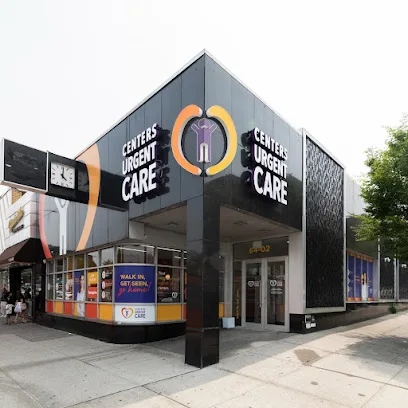 Centers Urgent Care of Forest Hills is a walk-in urgent care center serving Forest Hills and surrounding neighborhoods in Queens.
Common reasons people visit
Urgent care visits often fall into a few categories: minor injuries, short-term illnesses, and symptoms that require prompt assessment. Examples include sprains or minor wounds that may need evaluation and appropriate wound care, painful urinary symptoms that suggest a urinary tract infection, and non-emergency respiratory or gastrointestinal complaints that may require testing.
Patients may also seek evaluation for contagious illness symptoms such as flu-like symptoms or COVID-19–related complaints, depending on current clinical testing availability. For sore throat, cough, fever, and similar symptoms, clinicians typically consider age, exam findings, local circulation of infections, and whether testing is indicated.
Clinical guidance from organizations such as the CDC and the American Academy of Family Physicians (AAFP) emphasizes that appropriate triage and targeted testing reduce unnecessary antibiotic use and support safer care decisions when infection is suspected.
On-site evaluation and treatments
Centers Urgent Care of Forest Hills offers services support timely diagnosis and treatment. Depending on the presentation, the clinic may provide on-site testing and interventions such as:
- X-ray evaluation for selected injuries
- Lab testing to support diagnostic decisions
- Wound care, including stitches when needed for minor wounds
- COVID-19 and flu testing for eligible symptom patterns
- IV fluids when dehydration is a concern
These resources can be helpful when the diagnosis is not obvious by history and physical exam alone. For patients with symptoms that could represent more serious conditions, clinicians can also advise when a higher level of care is warranted.
Insurance, cost, and telehealth availability
Urgent care visits are often covered under most major health insurance plans for eligible services, and this clinic indicates that most insurance is accepted. Coverage details can vary by plan, including copay, deductible, and whether out-of-network benefits apply. Patients can reduce billing surprises by confirming insurance information and asking about estimated costs at intake.
When available, telehealth can be useful for preliminary guidance. For urgent concerns that require an exam, testing, or procedures, an in-person visit at urgent care is typically necessary. If you are unsure whether your symptoms require same-day evaluation, contacting the clinic by phone clarify next steps.
How to prepare for a walk-in visit
To make the visit efficient, patients can prepare key details before arrival. Helpful items include a list of current medications, known allergies, and prior diagnoses that might relate to the problem. Bringing identification and insurance cards can also speed registration.
If the visit is related to a specific injury, information about when it occurred and what events preceded symptoms. For illness-related complaints, noting symptom onset, temperature readings (if available), and associated symptoms such as vomiting, diarrhea, or shortness of breath can assist clinical decision-making.
For GI symptoms like persistent vomiting, severe abdominal pain, blood in stool, or signs of significant dehydration, clinicians may follow established medical pathways to assess severity. When possible, patients can review general public health recommendations from sources such as AAFP and other evidence-based references to understand when urgent evaluation is appropriate.
When to seek emergency care immediately
Urgent care is not a substitute for emergency services. If there are warning signs such as difficulty breathing, severe chest pain, one-sided weakness, uncontrolled bleeding, severe allergic reactions, or confusion, the appropriate action is to seek emergency care. When symptoms suggest an emergency, delaying evaluation for urgent care can increase risk.
Reference guidance: CDC recommendations for infectious disease prevention and symptom monitoring; AAFP urgent care and outpatient triage principles; and general GI and medical safety guidance from professional societies.