A clinic’s “urgent care” label does not answer every practical question about what can happen during a visit. A better way to judge fit is to identify the care you are seeking, compare it with the clinic’s stated services, check whether the location can see this patient at this time, and understand how results or unfinished evaluation are handled. These are separate questions: a clinic may assess a concern without offering every procedure or test someone might have in mind.
Name the care you need, not just the symptom
When contacting an urgent-care clinic, describe both the immediate concern and the kind of help you think may be needed. “I have a cut” identifies a symptom or problem; “I need someone to assess whether it needs closure” identifies the evaluation being sought. That distinction lets the clinic answer a more useful question than whether it generally treats injuries. The same logic applies to a request for an X-ray: an assessment of pain and access to a particular imaging service are related, but not identical.
Start with what you know, rather than trying to choose a diagnosis. In ordinary language, mention when the problem began, what has changed, and what service you are asking about. For example, someone seeking an evaluation of a painful ankle can ask whether the clinic assesses that type of concern and whether imaging is available there. The point is not to decide what test or procedure is medically necessary; it is to make the scope question specific enough for the clinic to answer.
Find out what the listed service includes
Service names can conceal important differences in how a test or procedure is provided. Ask whether the exact service is performed at the location you plan to visit, rather than assuming that a service mentioned generally is available at every site or during every visit. If a service depends on equipment, staffing, or another condition, that detail can affect whether the visit addresses your reason for going.
For testing, distinguish what happens at the clinic from what happens after a sample or image is obtained. A clinic may collect a sample for testing, perform a screening there, or send material elsewhere for analysis; these are different processes. The distinction matters because a test completed outside the visit may have a separate turnaround and communication process. Ask which process applies to the specific test you have in mind and whether any part of it is handled off-site.
Make sure the clinic can see this patient at this time
Clinical scope and practical access are separate. A clinic might list a service but have conditions that determine which patients can receive it or when it is offered. Age limits are especially important when arranging an urgent-care visit for a child: eligibility can differ by service, so ask about the specific patient and the specific concern instead of relying on a general statement about family care.
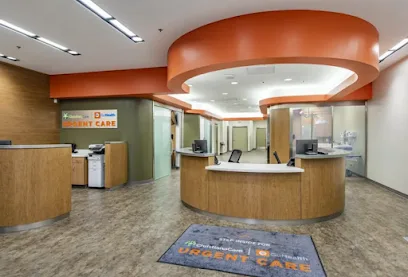
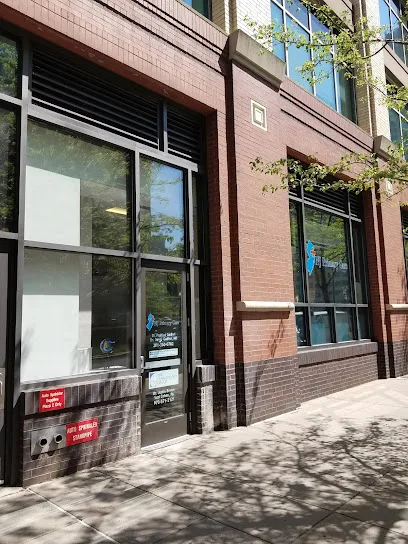
Access also depends on how the location handles arrival. Find out whether it accepts walk-ins, uses an online check-in process, or requires another arrangement, and check the location’s current hours before setting out. These details answer different questions: a walk-in policy concerns how to begin a visit, while hours determine whether the clinic is open at the time you are considering. In Baltimore, Your Baltimore Urgent Care is one local practice.
Set expectations for results and follow-up
Before a test or service, understand what information you should expect afterward. Ask when results are usually expected for the specific test, whether they are generally available during the visit, and how the clinic communicates results that arrive later. These details help distinguish an immediate result from a process that continues after the patient leaves, without assuming that every test follows the same timeline.
If the clinic cannot complete the requested service on site, ask what the next step is and who will explain it.