Urgent care vs. the ER: deciding where to go
Urgent care clinics are designed for health problems that are serious enough to need prompt evaluation but are not usually life-threatening. For example, viral or bacterial respiratory symptoms, minor injuries, uncomplicated urinary symptoms, and many skin concerns can often be assessed the same day. In contrast, the emergency department is the right choice for emergencies such as severe shortness of breath, chest pain with concerning features, signs of stroke, uncontrollable bleeding, or severe allergic reactions.
When deciding between urgent care and the ER, patients should consider how quickly symptoms are worsening, whether there is severe pain, and whether there are red-flag symptoms. Clinical guidance from the CDC and major primary-care references emphasize that new or rapidly progressing symptoms warrant faster assessment. If symptoms are severe or getting worse, emergency evaluation should not be delayed.
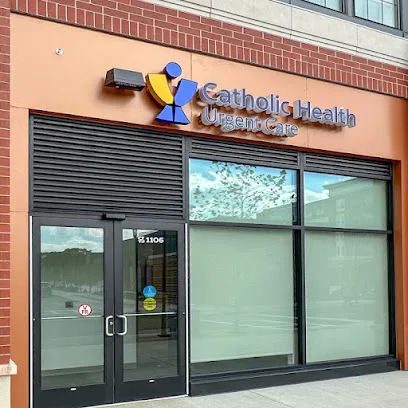 For same-day concerns that are not true emergencies, urgent care can provide prompt evaluation and on-site testing.
Common reasons patients choose a walk-in urgent care
Walk-in urgent care is commonly used for issues such as:
- Fever, sore throat, cough, and flu-like illness when symptoms start to interfere with daily activities
- Minor injuries (sprains, strains, small wounds) that need assessment and wound care
- Urinary symptoms such as burning or frequency when an infection is suspected
- COVID-19 and influenza testing when results are needed quickly for work, school, or household safety
- Skin problems that may require evaluation (for example, rashes or localized infection)
These situations often benefit from same-day care because earlier assessment determine whether home treatment is reasonable or whether diagnostic testing is needed. The site’s on-site services support many of these visits by enabling testing and treatment in the same general timeframe.
What this Ronkonkoma clinic offers during an urgent visit
Catholic Health Urgent Care at Ronkonkoma provides walk-in access for both pediatric and adult patients. The clinic supports online check-in to help streamline arrival for patients who want to reduce time spent waiting. During the visit, clinicians can perform evaluation and commonly used on-site diagnostic services to guide next steps.
Typical on-site services listed for the clinic include X-ray capability, lab testing, COVID and flu testing, and treatment support such as IV fluids and wound care (including stitches when needed). For patients with symptoms that require imaging or lab evaluation, having those services available at the time of the visit can reduce delays and support faster treatment decisions.
Insurance, cost expectations, and telehealth
Insurance coverage can vary by plan and by services used. Most urgent care clinics accept major insurance plans, and patients are encouraged to verify coverage before or at check-in. When the clinical need is urgent, many patients still choose to be evaluated promptly and then address billing details with the clinic afterward.
To help manage expectations, patients may want to ask about how their visit will be billed (office/urgent care visit, testing fees, imaging fees, and any medication charges). Clear communication can also help prevent surprises. If a patient is unsure whether their plan covers urgent care services, calling the clinic ahead of time confirm whether the plan is accepted.
For some non-emergency concerns, telehealth may be appropriate through other care pathways. Patients with worsening symptoms, severe pain, dehydration, or any emergency warning signs should be evaluated in person instead of waiting for remote assessment.
Preparing for your visit (to reduce delays)
Before arriving, patients can improve the efficiency of the visit by preparing a few details:
- A list of current medications and allergies
- Information about symptom onset and whether symptoms are improving or worsening
- Relevant medical history (chronic conditions, prior infections, recent hospitalizations)
- If available, results of prior tests or visits related to the current issue
- Insurance card and identification
Patients who plan to use online check-in should complete the necessary information promptly to avoid last-minute delays. Bringing a clear description of symptoms helps clinicians decide which evaluations and tests are most appropriate.
When to seek emergency care after urgent care
Sometimes symptoms do not improve as expected, even after initial urgent evaluation. Patients should seek emergency care right away for warning signs such as difficulty breathing, signs of severe dehydration (for example, inability to keep fluids down), confusion, fainting, severe chest pain, or uncontrolled bleeding. The same caution applies to rapidly spreading infection, uncontrolled fever, or symptoms that continue to worsen.
For non-emergent cases, urgent care follow-up may still be needed. The key is to reassess if the clinical course does not match expectations and to use the appropriate level of care based on symptom severity.
Bottom line for Ronkonkoma urgent care patients
Catholic Health Urgent Care at Ronkonkoma supports same-day evaluation for common non-emergency problems affecting adults and children. With walk-in access, online check-in support, and on-site testing and treatment capabilities, the clinic patients get timely answers about their symptoms. When symptoms suggest an emergency, the emergency department should be used without delay.