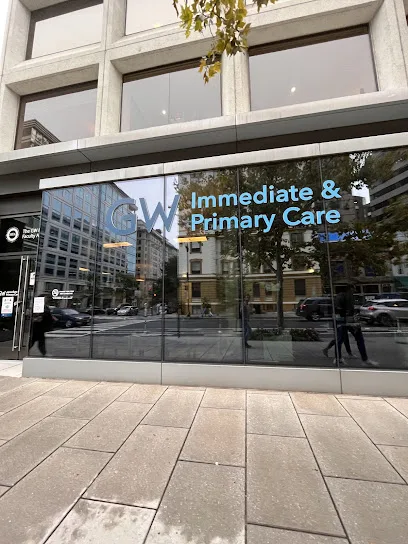
Urgent care basics: what it is and who it serves
Urgent care centers are designed for non-life-threatening conditions that still need prompt evaluation. At Northwell Health-GoHealth Urgent Care in Roslyn, NY, walk-in visits focus on diagnosing and treating common illnesses and injuries, including problems that may require on-site imaging or lab testing. In general, urgent care can be appropriate when symptoms are worsening, you need the ability to be seen quickly, or you need diagnostic tests that are not available during a same-day primary care appointment.
 Walk-in urgent care in Roslyn is set up for timely evaluation of common conditions, including when imaging or labs may be needed.
When to choose urgent care instead of the ER
Use the ER for emergencies—when waiting could put health at risk. If symptoms suggest serious illness or injury (such as severe trouble breathing, chest pain that could represent a heart problem, signs of stroke, uncontrolled bleeding, or severe abdominal pain), emergency care is usually the safest choice. If symptoms are uncomfortable but stable, urgent care may be a reasonable next step.
Clinical guidance from the Centers for Disease Control and Prevention (CDC) and major medical organizations emphasizes triage based on severity and stability. For infections such as flu and COVID-19, urgent care may help when symptoms are significant, when testing is needed, or when additional evaluation is required.
Common reasons people come in for walk-in evaluation
Many visits to urgent care are for everyday conditions that require assessment and sometimes diagnostic testing. Typical categories include:
- Respiratory symptoms: cough, sore throat, fever, and concern for viral illness
- Urinary symptoms: burning with urination or suspected UTI
- Injuries: sprains, strains, lacerations, and concerns about fractures
- GI symptoms: acute diarrhea or vomiting when dehydration is a concern
- General illness: when symptoms worsen or do not improve as expected
After a short history and physical exam, clinicians decide whether additional testing is medically appropriate.
Imaging and lab testing: what they’re used for
Imaging and lab tests help answer specific diagnostic questions. At this location, on-site services commonly include X-ray and lab testing. Imaging is often used when an injury raises concern for a broken bone or when symptoms suggest a condition that needs visualization. For example, an X-ray may be considered for certain types of trauma (such as suspected fracture) or for select respiratory complaints depending on exam findings.
Labs can support decisions for suspected infection, metabolic issues, and other conditions that require more than a physical exam. For urinary symptoms, targeted testing may help distinguish between UTI and other causes. For respiratory symptoms, testing strategies may help confirm viral infections when clinically indicated.
American College of Gastroenterology (ACG) and other specialty groups note that many conditions are best managed when diagnosis is clarified early, especially when symptoms are persistent or atypical.
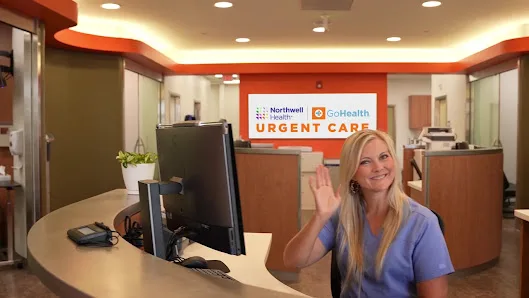 On-site diagnostic testing clinicians decide whether imaging or labs are needed for the symptoms being evaluated.
How insurance and cost often work for urgent care visits
Coverage varies by plan, visit type, and the diagnostic tests ordered. Before going in, it helps to confirm whether the urgent care visit is covered under your insurance plan and whether prior authorization is required for any tests. Northwell Health-GoHealth Urgent Care is generally able to work with many major insurance plans, and Medicare and Medicaid coverage may be available depending on the specific plan and eligibility rules.
If cost is a concern, bring your insurance card and ask staff about expected visit charges before testing whenever possible. In urgent care settings, test ordering is be clinically necessary rather than routine.
What to bring and how to prepare for an efficient visit
A prepared visit can reduce delays and improve accuracy. Bring:
- Your photo ID and insurance card
- A list of current medications and any known allergies
- Any relevant medical history (for example, prior imaging results or recent diagnoses)
- Details about symptom onset, severity, and any home treatments attempted
If the visit is for an injury, also note when it occurred and what activity was being done at the time. For symptoms that could involve infection, including fever or urinary discomfort, be ready to describe temperature readings, urinary changes, or respiratory symptoms.
For safety, urgent care clinicians may ask about red-flag symptoms to determine whether emergency evaluation is needed.
Clinical guidance notes for common symptom concerns
General patient education resources can be helpful for deciding what to watch for. The CDC provides updates on when to seek care for respiratory illnesses, while the American Academy of Family Physicians (AAFP) emphasizes appropriate use of urgent and primary care. For gastrointestinal symptoms, ACG notes that persistent or severe symptoms require evaluation, especially when red flags such as significant dehydration, blood in stool, or severe pain are present.
If symptoms are rapidly worsening or you are unsure about severity, seeking prompt medical advice is appropriate.