Urgent care basics: when this clinic is usually appropriate
Urgent care centers are designed for medical needs that are important but not typically life-threatening. For problems like minor cuts that may need stitches, symptoms of flu or COVID, or issues that require same-day evaluation and basic testing, urgent care patients get assessed quickly. Patients who have severe or rapidly worsening symptoms (such as trouble breathing, chest pain, signs of stroke, or uncontrolled bleeding) should go to the emergency department instead.
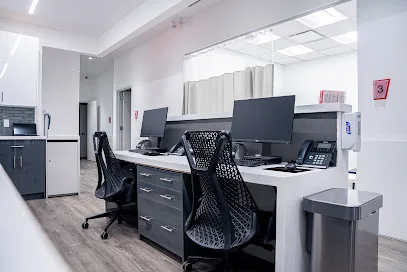 ModernMD Urgent Care - City Line is located in Brooklyn and serves patients who need prompt, walk-in evaluation.
ModernMD Urgent Care - City Line services
ModernMD Urgent Care - City Line is a walk-in urgent care clinic offering practical, on-site care for common conditions. Typical on-site services include diagnostic and treatment options such as X-ray and lab testing. The clinic also supports wound care for injuries that may require stitches, as well as IV fluids when patients need hydration support. For respiratory illness screening, the clinic offers COVID and flu testing.
Patients who need non-emergency medical attention but want faster assessment than a traditional primary care appointment often choose urgent care for these services.
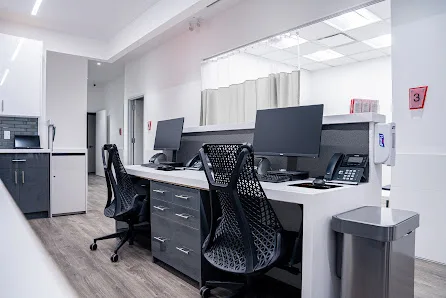 On-site testing and treatment tools speed up care decisions for common urgent problems.
Walk-in vs. scheduled care: how registration and timing may work
Because this is a walk-in urgent care clinic, patients can generally be seen without a scheduled visit. Many urgent care locations also offer online check-in options to help streamline the intake process. Even when online check-in is available, wait times can vary depending on patient volume and the complexity of each case.
For the best experience, patients should plan to bring identification and insurance details, and arrive with enough time for registration and medical evaluation.
Insurance and cost: what to expect before you are seen
Urgent care clinics commonly accept major insurance plans, and many centers can also provide options for uninsured or underinsured patients. Coverage and out-of-pocket costs can vary by insurance type, whether imaging or lab tests are needed, and the specific services provided during the visit.
To reduce surprises, patients may want to confirm insurance acceptance and discuss payment expectations when they call the clinic. For those who are concerned about affordability, it can also help to ask about available billing options before testing is performed.
What to bring to your visit
Patients their visit go more smoothly by bringing key information. Consider bringing:
- Photo identification
- Insurance card (if insured)
- A list of current medications, including over-the-counter drugs
- Allergy information
- Any relevant prior medical records or test results, when available
- Details about symptoms (when they started, what makes them better or worse, and any home treatments tried)
For injury-related visits, it is also helpful to note how the injury happened and when it occurred, especially if pain is worsening or if there is concern about infection.
Safety guidance: when to choose the emergency department instead
Urgent care is appropriate for many common conditions, but it does not replace emergency services. Patients should seek emergency care for severe symptoms such as difficulty breathing, severe chest pain, signs of stroke, or major trauma. If symptoms are rapidly escalating, or if there is uncertainty about whether the situation is an emergency, calling local emergency services or heading to the ER may be safer.
Clinical guidance for symptom-based decisions often references resources from organizations such as the CDC, the American Academy of Family Physicians, and the American College of Gastroenterology. For general education, these sources patients understand when urgent evaluation is recommended.
Reference note: Clinical education in this article is general information and not a substitute for professional medical advice.