Quick decision guide: urgent care vs. emergency care
Northwell Health-GoHealth Urgent Care provides walk-in evaluation for common urgent needs. In general, urgent care is appropriate when symptoms are uncomfortable or worsening, but there are no immediate signs of life-threatening illness or severe injury. The emergency department is usually the right choice when there are red flags such as trouble breathing, chest pain concerning for a heart problem, severe allergic reactions, signs of stroke, uncontrolled bleeding, or serious injuries.
Healthcare organizations such as the Centers for Disease Control and Prevention (CDC) and major primary care groups advise using your symptoms and risk factors to judge urgency. If you are unsure, calling the clinic to ask about next steps you choose the safest setting.
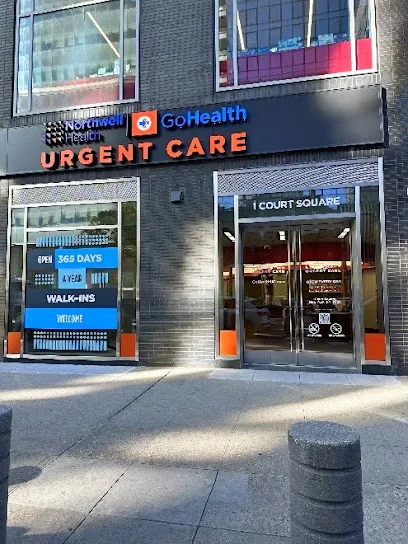 For many urgent needs, walk-in centers like Northwell Health-GoHealth Urgent Care can provide timely assessment and diagnostic testing without waiting for a primary care appointment.
What brings patients to this clinic
Walk-in urgent care is commonly used for conditions that are time-sensitive but not always emergency-level. Examples include infections (such as flu-like illness, sore throat, or urinary symptoms), minor injuries, and other problems that require prompt evaluation and, when appropriate, on-site tests or treatment.
This clinic is listed as a walk-in urgent care site with X-ray services. That combination can matter when a clinician needs to assess injuries or evaluate certain symptoms quickly. If imaging is recommended, being evaluated in the correct care setting can reduce delays in diagnosis.
When to use the ER instead of urgent care
Use emergency services when symptoms suggest potentially life-threatening conditions. Consider the ER if you have:
- Severe trouble breathing, blue/gray lips, or inability to speak full sentences
- Chest pain or pressure that lasts more than a few minutes, or that comes with sweating, fainting, or severe weakness
- Signs of stroke (face drooping, arm weakness, speech difficulty) or sudden severe headache unlike usual
- Uncontrolled bleeding, deep wounds with heavy bleeding, or suspected serious fractures
- Severe allergic reactions with swelling of the face or throat, or trouble swallowing/breathing
- Repeated vomiting with dehydration signs, confusion, or extreme lethargy
When in doubt, it is safer to choose emergency care than to wait for urgent care if your symptoms are severe or rapidly worsening.
Insurance, cost awareness, and visit planning
Urgent care visits are typically faster than emergency department care, but costs can vary based on insurance plan, services provided, and whether imaging or lab testing is performed. Before or at registration, asking about insurance acceptance and expected billing steps reduce surprises.
Patients often benefit from bringing a photo ID, insurance card (or information on coverage), and a list of current medications and allergies. If a visit is related to a work injury, documentation related to the incident may be needed.
Because the clinic’s listed status can change throughout the week, checking current hours before heading in is important.
How registration and intake typically work
Walk-in urgent care centers generally follow a practical flow: registration, triage based on symptoms, and clinician assessment. During intake, patients may be asked about symptom onset, severity, associated symptoms, relevant medical history, and medication use.
To make the visit more efficient, write down key details such as when symptoms started, what makes them better or worse, and any home treatments already tried. If you have had similar episodes previously, mention that information.
Common examples: what urgent care may handle
Infections
Urgent care often evaluates infections and respiratory symptoms. Clinicians may recommend testing when it affects treatment decisions, such as for influenza or other contagious illnesses. Follow-up instructions should be provided based on test results and severity.
Minor injuries
For minor cuts, sprains, or suspected fractures, urgent care can provide evaluation and—when needed—X-ray assessment. Wound care, tetanus guidance, and referral instructions may be part of the plan.
GI and urinary symptoms
Some patients present with nausea, diarrhea, urinary discomfort, or dehydration concerns. Care may focus on ruling out red flags, assessing hydration, and deciding whether further testing is indicated.
Preparing for a visit: practical checklist
- Bring photo ID and insurance information
- Bring a list of medications and allergies
- Note symptom start time and any worsening pattern
- Bring relevant paperwork for work or school requirements if applicable
- Ask about expected wait time; consider arriving early if available
Patient education resources from organizations such as the American Academy of Family Physicians (AAFP) emphasize knowing warning signs and seeking prompt care for worsening symptoms.
When to follow up after urgent care
After evaluation, follow-up needs can vary. Some conditions improve with treatment and home care, while others may require additional evaluation if symptoms persist or worsen. If you were given discharge instructions, adhere to them and return for reassessment if there are new symptoms or ongoing concerns.
Ongoing GI issues, recurrent infections, or persistent pain may require primary care or a specialist follow-up to address underlying causes.