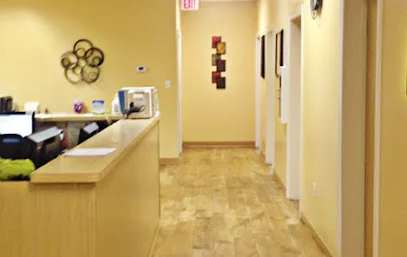
A walk-in urgent-care visit is a variable-length commitment, not a fixed appointment. Rather than trying to predict an exact wait, think through the entire visit—from arrival to departure—and compare that open-ended window with the next obligation you cannot move. That approach gives you a more realistic basis for deciding when to go.
Why the waiting-room order does not predict your turn
A queue is a moving process. Patients arrive at different times, and each visit can take a different amount of time depending on the concern and the evaluation required. One person being called quickly is not a reliable measure of how long the next patient will wait; a later arrival may also be seen sooner when clinical urgency affects the order of care.
What online check-in can—and cannot—settle
Some urgent-care clinics offer online check-in, which may let a patient submit information or join a visit queue before reaching the clinic. The exact steps and the effect on the queue differ by location and system. It can make part of the arrival process more organized, but it does not automatically turn a walk-in visit into a timed appointment.
If an online check-in screen provides a wait estimate, note when it was updated and what the number measures. It may describe time until a queue step or clinician, rather than time until departure. If the figure changes while you are getting ready, recalculate against your fixed commitment instead of relying on the earlier number. You can also separate the decision into two questions: when must you leave to arrive as directed, and how much unplanned time can you absorb after arrival? This turns an uncertain estimate into a practical scheduling margin without treating it as a promise.
For location details in Asheville, visit the Novant Health-GoHealth Urgent Care page.
Estimate the whole visit, not only the wait
The time commitment continues after a patient is called. A visit can involve completing or confirming check-in information, an assessment, any care steps that are appropriate to the concern, and discharge. The waiting-room portion is only one stage, so a short wait does not necessarily mean a short visit overall. A clinician may also need to explain the plan and next steps before the visit is complete, so the end of the assessment is not always the end of the time commitment.
How long the later stages take depends on what the patient came in for and what the clinician needs to do.
Include travel to and from the clinic in the calendar block as well. Distance and traffic affect the time away from home or work, even if the visit itself moves quickly. If transportation depends on someone else, coordinate a pickup window that does not assume the clinic visit will end at a particular minute.
Use your schedule to make the decision
Start with the next commitment that cannot move. Decide how much lateness it can tolerate, then compare that available window with the uncertain full visit—not just a current wait estimate. The key question is not whether you can guess the queue perfectly; it is whether your schedule has enough flexibility to absorb a visit whose end time is unknown.
For example, imagine one patient has a flexible afternoon and no fixed pickup or meeting. Going to urgent care now may fit even if the wait is unclear, because the rest of the day can shift. Another patient may need to collect a child at a fixed time. That person can check the clinic’s current updates, see whether the timing leaves a workable margin, and consider a later window if the schedule cannot absorb an unpredictable delay.
These examples are about calendar constraints, not about judging how medically important a concern is. When choosing a time, separate the urgency of getting care from the convenience of fitting a visit around errands, work, or family responsibilities. A schedule can help identify the practical window; it cannot tell you what kind of care a particular symptom needs.