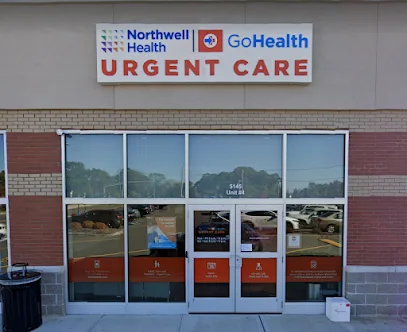
When urgent care is the right choice
Urgent care clinics are designed for situations that need prompt medical attention but are not life-threatening. This includes problems such as worsening sore throat, minor injuries, skin infections, uncomplicated urinary symptoms, and many common respiratory illnesses. The goal is timely evaluation, basic diagnostics, and treatment that helps prevent symptoms from escalating.
In contrast, emergency departments are for emergencies such as severe breathing trouble, chest pain with concerning features, signs of stroke, uncontrolled bleeding, or severe allergic reactions. When in doubt, calling the clinic for guidance determine the safest level of care.

What a visit at Optum Urgent Care - Huntington Village typically includes
Optum Urgent Care - Huntington Village serves both adult and pediatric patients and supports walk-in visits. For many conditions, the clinician may review symptoms, perform a focused physical exam, and recommend treatment on-site. Some visits may include point-of-care testing and basic diagnostic work depending on the presentation.
Common on-site services may include lab testing, imaging when appropriate, and wound care such as stitches for minor injuries. For certain symptom clusters, testing for viral illnesses such as COVID-19 and influenza may be part of the evaluation.
On-site services that can reduce delays
Many urgent problems require rapid confirmation of the cause before treatment. Having diagnostic capabilities on-site can shorten the time between assessment and care. Services can include:
- Lab testing for infections and other clinically relevant concerns
- X-ray for suspected fractures or other injuries when indicated
- Wound care, including stitches and evaluation of minor trauma
- COVID-19 and flu testing when symptoms suggest viral infection
- IV fluids for select dehydration concerns or patients who need supportive care
Exact testing and procedures depend on the clinician’s assessment. If symptoms are changing quickly or severe, emergency care may still be necessary.

Insurance, cost, and visit planning
Urgent care costs vary based on insurance status, plan type, and whether diagnostic testing is performed. Many urgent care locations accept major PPOs and other common insurance plans, but patient coverage is individual. Before arriving, patients may want to confirm:
- Whether the clinic is in-network for the patient’s plan
- What the visit copay or coinsurance would be
- Whether tests (such as X-ray or lab testing) require prior authorization
- Whether the patient should expect additional charges for medications
For urgent situations, online or phone-based check-in options may help reduce time spent waiting. Bringing insurance information and identification avoid delays in registration.
How to prepare for common urgent care reasons
Preparation can speed up clinical decision-making. Patients may consider bringing a list of current medications, including dose and frequency, and noting any medication allergies. For children, it to bring prior vaccination or relevant medical history information if available.
Depending on the concern, helpful details include:
- Infection symptoms: when symptoms started, fever history, and any prior treatments
- Respiratory illness: breathing symptoms, cough duration, and exposure history when known
- Urinary symptoms: pain pattern, any blood in urine, pregnancy possibility, and prior episodes
- Injuries: how the injury happened, whether there was loss of consciousness, and pain severity
For dehydration or persistent vomiting, bringing the timeline of fluid intake and urine output can be clinically useful. If the patient is unable to keep fluids down, emergency care may be required.
After the visit: what to watch for
After treatment, many urgent conditions improve with care. Patients should follow discharge instructions and watch for warning signs such as worsening pain, increasing fever, trouble breathing, new confusion, or symptoms that rapidly deteriorate.
For ongoing symptoms, follow-up with a primary care clinician or a specialist may be recommended. Clinical guidance generally emphasizes matching the level of care to symptom severity and ensuring patients understand return precautions (as emphasized by public health and primary care guidance from organizations such as the CDC and AAFP).
Medical note: This educational guide is not a substitute for medical evaluation. If symptoms feel severe or life-threatening, seek emergency care immediately.