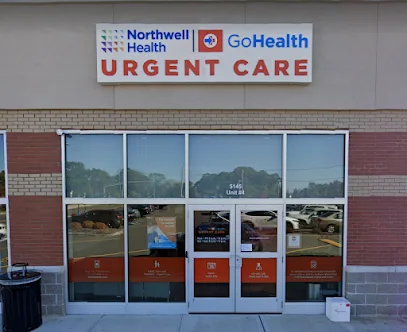
When to choose urgent care instead of the ER
Urgent care centers are designed for medical problems that need prompt attention but are not typically life-threatening. In general, people should consider the emergency department for symptoms that may indicate a medical emergency, such as trouble breathing, chest pain/pressure, signs of stroke, severe uncontrolled bleeding, or loss of consciousness. For conditions like minor infections, painful injuries, fever without alarming warning signs, or issues that develop quickly over a short period of time, urgent care can be an appropriate first stop. The American College of Gastroenterology (ACG) notes that appropriate evaluation helps avoid delays for GI symptoms that require timely assessment, and the American Academy of Family Physicians (AAFP) emphasizes choosing care settings based on symptom severity and available services.

What Optum Urgent Care - West Islip is built to handle
Optum Urgent Care - West Islip offers walk-in urgent care for pediatric and adult patients. On-site services commonly include X-ray and lab testing, along with treatment options that may be needed for minor injuries and acute illness. Depending on the presenting condition, patients may also receive wound care such as stitches, and clinical evaluation for respiratory or systemic symptoms. For patients seeking COVID-19 or flu testing, urgent care clinics route care based on test results and symptoms.
For people with GI-related concerns, urgent care may be appropriate for short-term, non-emergent symptoms such as persistent abdominal discomfort, vomiting with dehydration risk, or evaluation for possible infection. Clinicians typically assess vitals, hydration status, and symptom history before deciding whether additional testing is needed or whether the patient should be referred to the emergency department.
Before arrival: call ahead and plan for wait times
Walk-in care can vary in wait times depending on demand. For that reason, patients may benefit from calling ahead to confirm current volume and whether their specific concern is suitable for urgent care evaluation. This is especially important when symptoms require timely imaging or lab work. If a patient needs diagnostic testing, being prepared to provide a clear symptom timeline can improve efficiency.
Patients who prefer online options may also use online scheduling or check-in tools when available. The goal is to reduce unnecessary time in the waiting area while still allowing clinicians to see patients in an order that matches clinical urgency.
What to bring to speed up registration and evaluation
- Photo identification
- Insurance information (member ID card)
- A medication list including prescriptions, over-the-counter drugs, and supplements
- Relevant medical history (known allergies, chronic conditions, prior surgeries)
- Any prior test results or discharge paperwork, if applicable
For symptoms that may involve infection, gastrointestinal illness, or medication reactions, patients should be ready to describe when symptoms began, what changed over time, and whether there are associated warning signs. The Centers for Disease Control and Prevention (CDC) provides general guidance on assessing illness and seeking appropriate care based on symptom severity.
Insurance, billing, and cost considerations
Urgent care billing can vary by insurer and by the tests or procedures required. People should expect that X-ray, laboratory testing, and imaging interpretation may be billed separately from the clinician visit, depending on how the clinic and insurance adjudicate charges. If cost is a concern, patients can call the clinic’s phone line to ask about accepted insurance plans and whether an estimate is available before testing when clinically appropriate.
In the setting of urgent care, it is also helpful to ask whether a suggested plan requires further evaluation or referral. Clinicians can explain why a test is recommended and whether it changes next steps. This approach is aligned with guidance from primary care and GI specialty sources that support timely assessment while avoiding unnecessary ER visits when symptoms are not emergent.
How the visit usually goes
A typical urgent care visit begins with intake and a review of symptoms and medical history. Vital signs are collected, and clinicians may perform an exam targeted to the main complaint. If imaging is needed, such as an X-ray for injury-related pain, it may be ordered and performed on-site. If lab testing is needed—such as tests related to respiratory symptoms or evaluation of infection risk—urgent care can often coordinate testing during the same visit.
After results return, clinicians discuss the most appropriate treatment plan. When symptoms improve with treatment, urgent care may provide medication recommendations and follow-up instructions. When symptoms suggest a higher level of care is needed, clinicians may recommend referral to the emergency department or a specialist.
Visit prep and symptom checklist
Patients can improve the quality of the evaluation by organizing information ahead of time. Consider writing down the following:
- Exact symptom onset time (and whether it is worsening or improving)
- Temperature readings if fever is present
- Number of episodes (vomiting/diarrhea) and ability to keep fluids down
- Pain location, severity (mild/moderate/severe), and what makes it better or worse
- Any recent exposures, travel, new foods, or sick contacts
For GI symptoms, dehydration can become a concern when vomiting or diarrhea limits fluid intake. If there are red flags such as severe abdominal pain, blood in stool, persistent vomiting, signs of severe dehydration, or inability to keep fluids down, emergency evaluation may be safer.
Optum Urgent Care - West Islip contact and location
Optum Urgent Care - West Islip is located at 148 Sunrise Hwy, West Islip, NY 11795. The clinic phone number is (631) 620-3580. Patients can use the clinic contact options listed by the practice to confirm availability and current visit workflow before going in.

Reliable sources for symptom triage
- CDC: general guidance on when to seek medical care during illness
- AAFP: primary care recommendations on symptom severity and choosing the right care setting
- ACG: GI-focused considerations for timely evaluation of digestive symptoms
Urgent care can be a practical option when symptoms are uncomfortable and time-sensitive but do not meet emergency criteria. When in doubt—especially with severe or rapidly worsening symptoms—emergency evaluation is appropriate.