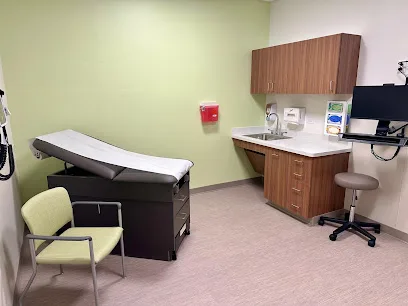
What urgent care is for (and when to choose it)
Urgent care centers are designed for non-life-threatening problems that need prompt evaluation but do not require the resources of a hospital emergency department. Common reasons people seek walk-in urgent care include fever with concerning symptoms, minor injuries, new or worsening infections, and short-term concerns such as dehydration. For any emergency signs, patients should use the ER or call local emergency services rather than waiting for routine clinic hours.
For practical decision-making, clinicians and patient guidance commonly emphasize that urgent care is appropriate when symptoms are significant but stable, while the ER is appropriate when there is severe pain, trouble breathing, chest pain, signs of stroke, uncontrolled bleeding, or other immediate threats to safety.
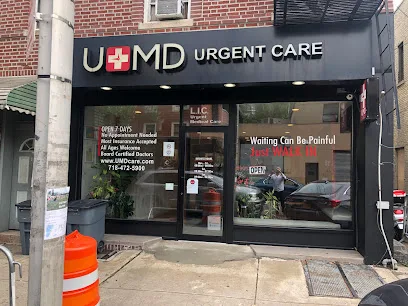 UMD Urgent Care - LIC offers walk-in access for urgent problems, with common on-site diagnostic services to support same-day evaluation.
Common symptoms where same-day evaluation helps
Many urgent care visits focus on symptoms where timely assessment can prevent progression and improve comfort. Examples include:
- Respiratory symptoms: persistent cough, worsening sore throat, or fever that does not improve as expected.
- Minor injuries: sprains, strains, simple lacerations needing wound care, or concerns after minor trauma.
- Urinary symptoms: burning with urination, urinary frequency, or suspected infection (when appropriate).
- GI concerns: vomiting or diarrhea with dehydration risk, especially when symptoms are worsening or unable to keep fluids down.
- Flu/COVID-like illness: illness when testing or supportive treatment may be helpful.
Because the right workup depends on the individual presentation, patients should be prepared to describe symptom onset, severity, and any factors that worsen or relieve symptoms.
Clinical guidance from organizations such as the Centers for Disease Control and Prevention (CDC) supports timely assessment and testing when respiratory symptoms or viral illness are suspected, particularly for people at higher risk for complications.
What patients can expect at a walk-in clinic
Walk-in urgent care visits typically follow an intake and registration process. Patients are usually asked to confirm basic information, provide contact details, and review insurance information if applicable. After intake, clinicians evaluate current symptoms, review medical history, and perform a physical exam targeted to the presenting concern.
Depending on the visit reason, the clinic may recommend diagnostic testing. UMD Urgent Care - LIC is listed as a walk-in center with common on-site services such as X-ray and laboratory testing, which clinicians rule out or confirm certain conditions during the same day.
Patients may also receive treatment instructions, prescriptions if clinically appropriate, and clear follow-up guidance—especially if symptoms require monitoring or if additional care may be needed after the urgent episode.
On-site services that can support urgent evaluations
When symptoms require objective assessment, urgent care commonly offers testing and basic in-clinic treatments that can speed up decision-making. Based on the clinic’s listing, UMD Urgent Care - LIC offers on-site options such as:
- X-ray: helpful for evaluating certain injuries and suspected chest or bone-related concerns.
- Lab tests: used for infections, inflammation, and other conditions where blood or other samples guide treatment.
- Wound care: including stitches and evaluation of injuries needing local treatment.
- COVID and flu testing: when viral illness is suspected and testing may influence isolation guidance or medication decisions.
- IV fluids: considered in cases where dehydration is a concern.
For patient education on when to seek care and how clinicians approach symptom-based decisions, professional references such as the American Academy of Family Physicians (AAFP) and specialty societies often describe urgent care as an intermediate step—bridging primary care and the emergency department.
Insurance, cost awareness, and telehealth
Urgent care costs can vary by insurance plan, testing decisions, and whether imaging or lab work is performed. Patients can reduce surprises by reviewing coverage details in advance and confirming participation for their specific plan.
When insurance information is available, clinics typically use the plan to determine billing categories. Patients should consider bringing:
- Photo identification
- Insurance card (front and back)
- A medication list or pharmacy information
- Any relevant prior test results or discharge paperwork
Some urgent care centers also offer telehealth or online check-in workflows. If a clinic supports online check-in, it streamline registration and reduce time spent waiting.
Because billing rules and pricing vary, patients should call the clinic if they have questions about copays for imaging, testing, or procedures.
Preparation checklist for your visit
A well-prepared urgent care visit typically includes clear communication about timeline and severity. Before arriving, patients can:
- Track symptoms: note when symptoms started, maximum temperature, and any progression.
- Document treatments tried: list over-the-counter medicines, doses, and whether they helped.
- Plan for testing possibilities: bring insurance information in case lab work or imaging is recommended.
- Bring medical context: allergies, current conditions, and chronic medications.
- Ask about next steps: review discharge instructions and confirm when follow-up is needed.
For patients with GI symptoms, persistent vomiting, severe abdominal pain, or blood in stool, it is especially important to seek appropriate evaluation promptly. While many GI infections are self-limited, clinical assessment is needed when symptoms suggest dehydration, obstruction, or complications.
Professional medical education resources from groups such as the American College of Gastroenterology (ACG) and the CDC support evidence-based decision-making for symptom severity, testing, and when to escalate care.