An urgent-care visit can involve check-in questions, a conversation about symptoms, time in a waiting area, and instructions to review afterward. If communication or sensory demands make any of those steps difficult, naming the specific barrier and preparing a workable way to address it can help you participate. The goal is not to anticipate every detail of the visit; it is to make your most important needs easier to communicate.
Turn a general concern into a specific request
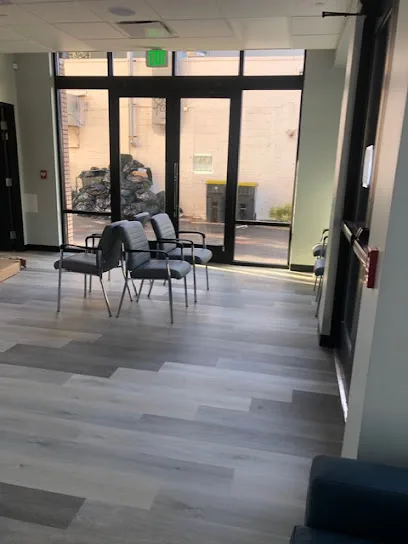
“I need an accessible visit” can mean many different things. A more useful starting point is to identify the task that creates difficulty. Perhaps answering questions aloud takes extra time, rapid conversation is hard to process, or a busy waiting area makes it difficult to concentrate. Separating the challenge from the support you want gives staff a clearer starting point.
Consider the visit in parts: check-in, the conversation with the clinician, and waiting. Which one or two moments matter most? For example, a patient who loses track of spoken questions might prefer one question at a time, while someone who finds a noisy room overwhelming may want to explain what helps them wait. These are examples of ways to describe a need, not promises that a particular adjustment will be available.
Make the request concrete and brief: “I communicate more clearly in writing,” or “Please give me a moment to process each question.” A specific request is easier to understand than a broad label, and the patient can decide which personal details are relevant to share.
Prepare information in a usable format
A short written or electronic note can serve as a reference when speaking, remembering details, or processing a conversation is difficult. Keep it easy to scan. It might include the reason for the visit, the preferred communication method, and a tool or adjustment that helps. A phone note, printed card, or communication device can all serve as a reference; choose a format the patient can access comfortably.
Separate the medical concern from access preferences. One part can briefly describe what prompted the visit and when it began; another can explain how the patient communicates best. Keeping these points distinct helps the clinician see both what the visit is about and how to make the conversation more usable. Include only details that are useful for this visit rather than trying to create a complete personal history in the note.
For instance, a hypothetical patient who finds spoken questions difficult might prepare a few symptom details in writing and add, “Please allow me time to read and respond.” A support person can help organize information if the patient wants that help, while the patient’s own preferred communication remains central.
Make check-in and conversation easier to manage
At check-in, share the note or state the most important request plainly. A concise opening can prevent the patient from having to explain the same need at length while managing other demands. Ask what options are workable in the current setting, then use the agreed approach as the visit proceeds.
During the clinical conversation, use the patient’s chosen method—speaking, writing, typing, or a communication device. When a question has several parts, it can help to address one part at a time. If a term or question is unclear, pause and request a different explanation or a moment to process it. The patient can also point to information already written down instead of reconstructing it from memory.
A companion may help take notes or communicate, if the patient chooses. Before the visit, it can be useful to agree on the companion’s role: for example, whether they should add information only when invited, or help keep track of questions. This makes the patient’s own preferences easier to follow throughout the conversation.
The directory page for CareNow Urgent Care - Bull Street is available for readers who need the current-site clinic details.
Leave with instructions you can use
Information at the end of a visit can be hard to retain after a demanding conversation. Ask for instructions in a format the patient can review later, such as a written list when one is available. Identify the specific line or phrase that is unclear rather than trying to remember the whole conversation at once.
A brief confirmation can reveal a misunderstanding while there is still time to clarify it. The patient might restate the next steps in their own words, or compare a written list with what they understood. If the instructions contain unfamiliar terms, ask for those terms to be explained plainly. For someone who processes information more slowly, taking a moment to read before responding can be part of making the handoff usable.
Before leaving the conversation, make sure the patient knows where the written instructions will be kept and how they can refer back to them. A format that is easy to find and reread supports continuity after the immediate pressure of the urgent-care visit has passed.