Choosing between a virtual visit and in-person urgent care starts with a practical question: can the concern be evaluated through a conversation, or does it fall into a category the clinic says it cannot handle through telehealth? Peachtree Immediate Care - Augusta offers virtual visits with a healthcare professional and also welcomes walk-ins. Its Augusta clinic page spells out limits for virtual care, so the reason for the visit—not simply convenience—is the useful place to begin.
Match the visit format to what the concern requires
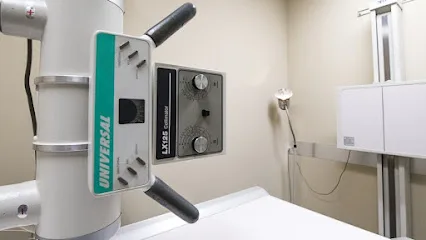
A virtual visit lets a patient describe a concern and speak with a healthcare professional remotely. That format may be a fit only when the issue is within the clinic’s telehealth scope. If the concern requires an in-person physical examination, an X-ray, or lab testing, a remote conversation cannot provide that particular part of an evaluation. The clinic’s page specifically excludes several exam and testing needs from telehealth.
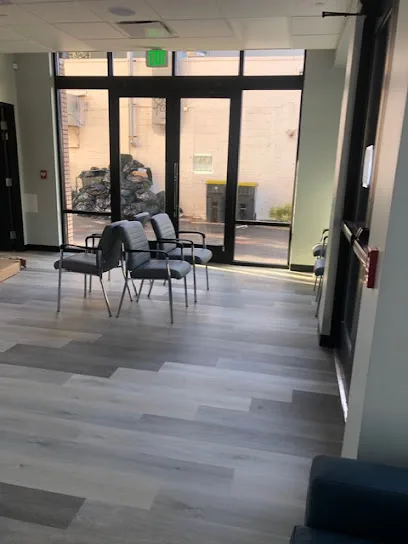
For an issue that fits the stated virtual limits, a remote visit may be a reasonable format to consider. For one that falls outside them, the clinic’s in-person urgent-care option is the relevant alternative. The Augusta page describes the clinic as a walk-in service: it says an appointment is not required, and patients can reserve a place in line online. It also notes that visit times are approximate and may vary with patient complexity, so reserving a place should not be treated as a guarantee of a fixed visit duration.
Before selecting a format, put the reason for the visit into plain, specific words. The clinic’s booking page asks what the patient is coming in for, with choices including a new illness or infection and a new injury. That framing helps connect the booking choice to the actual concern rather than choosing a format first and trying to make the concern fit afterward.
Check the Augusta clinic’s telehealth exclusions
The clinic’s Augusta page lists several situations it does not handle through a virtual visit. These are concrete boundaries, not a general judgment about how serious every individual concern is:
- Age and certain urinary concerns: The page excludes telehealth care for children younger than 8. It also excludes UTI care for women older than 45 or younger than 18, and evaluation of UTI symptoms in males.
- Some injuries: Telehealth is not offered for car or ATV accidents, large cuts or lacerations that may need stitches, or injuries requiring X-rays.
- Exams and testing: The clinic lists physicals; sports physicals; pelvic, genital, rectal, and breast exams; STI screening; and issues requiring lab testing among the reasons not suited to telehealth.
- New or unstable psychiatric conditions: The page also excludes these concerns, including trauma or physical or sexual abuse treatment.
These distinctions can change the choice even when a patient would otherwise prefer a remote appointment. For example, someone seeking a sports physical should not choose a virtual visit on the assumption that it can replace the listed physical exam. Likewise, a new injury that may require an X-ray belongs outside the clinic’s virtual-care scope. In those cases, the page’s walk-in urgent-care option is the in-person format to consider; the listed limits make clear why the virtual route is not the match.
Separate emergency symptoms from the format choice
Some symptoms call for a more urgent decision than choosing between a virtual visit and a walk-in clinic. The Augusta clinic page names chest pain, shortness of breath, anaphylaxis, choking, altered level of consciousness, and moderate or severe abdominal pain. For these symptoms, its instruction is to seek help immediately or call 911. They should not be routed into a routine virtual-versus-in-person booking decision.
For concerns outside that emergency list, the useful distinction remains whether the clinic’s stated virtual limits include the patient’s age, concern, or required exam or testing. If they do, the clinic offers walk-in care without an appointment; if the concern falls within the virtual scope, its page provides a way to book a virtual visit. Reading those boundaries alongside the reason for care makes the format choice more specific than choosing solely by convenience.