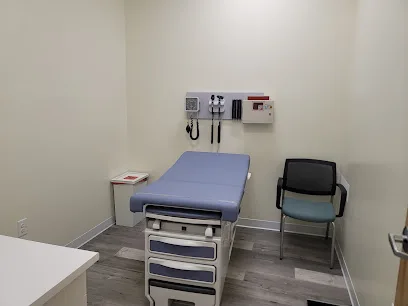
A little preparation can make it easier to explain why you came to urgent care and provide the details needed for check-in. Bring identification, insurance information if you have it, and a current list of medicines and allergies. Before leaving, write down when the problem began, how it has changed, and what you have already tried. These notes give the conversation a clear starting point without requiring you to remember every detail on the spot.
Gather the basics for check-in
Bring a photo ID and, if available, your insurance card or plan information. A payment method may also be useful because billing arrangements can differ. Keeping these items together in a wallet or small folder can save time when you are asked to provide identifying or coverage details. If you do not have a particular document, avoid guessing about what a clinic requires; the information you do have is still useful when beginning check-in.
If you are bringing a child or helping another person manage care, take that patient’s relevant identifying information and be prepared to explain your relationship or role. A parent, guardian, caregiver, or other companion may help communicate history, but authorization requirements can vary by situation. If you are unsure what permission is needed for someone else’s visit, check with the clinic before you go.
For patients comparing local options, NOVA Patient Care | Primary & Urgent Care in Arlington VA has a clinic page with its location details.
Write a brief timeline of the problem
People often remember the most noticeable symptom but lose track of when it started or how it changed. A short timeline helps keep those details in order. Note the approximate start, whether the concern has improved or worsened, and any event that seemed to coincide with its beginning. Exact dates are helpful when you know them, but a clear estimate such as “over the weekend” is more useful than trying to invent precision.
Describe the main symptoms in plain language and note changes that matter to you. For example, say your throat discomfort began two days ago and that swallowing became more uncomfortable this morning. That brief sequence communicates both the symptom and its course. You can also jot down what seems to make it better or worse, or whether it changes at a particular time of day. These observations are not a diagnosis; they are a concise account of what you have experienced.
Include anything you already tried and what happened afterward: whether it seemed to help, made no difference, or caused an unwanted effect. This prevents you from having to reconstruct the sequence during a busy moment and can help distinguish what is new from what has already been attempted.
Make a current health and medication list
Write down prescription medicines, over-the-counter products, vitamins, and supplements. Include the strength or dose and when you last took each item if you know it. A photo of the label or a list saved on your phone can help if you do not have the packages with you. Keeping the list current matters: a medicine stopped recently, a new supplement, or a changed dose may be relevant background.
For allergies, record the substance and the reaction rather than only the name. “Rash after taking [medicine]” or “swelling after [substance]” gives more context than a bare label, if that is what happened. Also note ongoing health conditions and recent changes that relate to the reason for the visit. Include pregnancy when relevant, since it can be important context for a clinical discussion.
Organize this information so it is easy to scan rather than writing a long narrative. A compact list with headings such as “medicines,” “allergies,” and “ongoing conditions” makes it simpler to find a detail when asked. If you are helping another patient, check the list with them when possible; an outdated record or uncertain dose should be identified as uncertain rather than stated as definite.
Decide what you need to communicate
Before the visit, write one sentence describing the concern you most want addressed. This gives you a clear starting point if several issues are competing for attention. Add any other questions beneath it, in order of importance. You might want to understand what information from the visit will be shared with your regular clinician, what follow-up is expected, or how to obtain copies of visit records. The point is to capture questions that matter to you, not to script the entire conversation.
Consider whether language, hearing, mobility, or another access need could affect check-in or the visit. If you need an accommodation or have a practical access question, contact the clinic ahead of arrival so you can discuss the arrangement. If a companion is coming, decide how they can help—perhaps by recalling relevant history or taking notes—with your permission. Agreeing on that role beforehand can leave you more room to focus on the conversation.
A useful preparation note can fit on one page or a phone screen: identifying and coverage details, a short timeline, current medicines and allergies, and the question you want to raise first. Keeping those pieces distinct makes them easier to use during an urgent care visit.