A pending test result leaves a practical question: what happens next, and how will you know? Before leaving an urgent-care clinic, identify the test that has not resulted, learn the clinic’s stated follow-up process, and record when and how to expect an update. Those details turn an uncertain wait into a communication plan without requiring you to interpret a result on your own.
Before you leave, identify what is still pending
Start by naming the specific test or tests that have not produced a result. A visit can involve more than one test, and “the lab work” may be too broad to identify what you are waiting for later. Write down the name the clinic uses, or ask staff to help you record it, along with the date of the visit. If multiple results are pending, keep them separate rather than assuming they will all arrive together.
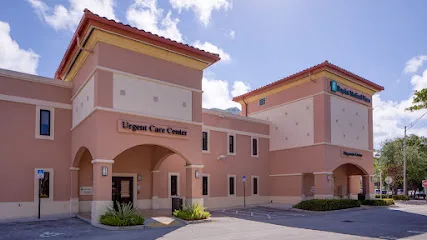
Then clarify who is responsible for communicating each result and whether the clinic expects you to do anything while it is pending. The answer should come from the care team handling your visit, because the process can depend on the test and the clinic’s workflow. You might note the staff member or department to contact, as well as any specific instructions you were given. In Fort Lauderdale, AssociatesMD Urgent Care & Primary Care is one local walk-in urgent-care option.
Set a clear expectation for timing and contact
Ask when the clinic expects the result to be available and how it plans to reach you. A time window and a channel—such as a phone call or patient portal message—are more useful than a general statement that someone will follow up. Record the expected window in your own calendar or notes, including whether the estimate refers to business days or another timeframe if the clinic specifies that distinction.
Make sure the clinic has a working phone number or other contact information for you. If it directs you to check a portal, confirm which account or message area to use and whether there is a notification process you should watch for. Portal notifications can be easy to miss, especially if they go to an old email address or phone number.
Connect the result to an action
When a result arrives, separate the test finding from the clinician’s explanation of what it means for your care. A number, phrase, or status in a report may not communicate the full plan by itself. A test may answer one question, while the next care step can also depend on symptoms and the rest of the clinical evaluation. Read any accompanying instructions, and identify whether they answer what happens next, whether another conversation is expected, or whether there is a specific follow-up contact.
If the result is difficult to understand or the instructions do not make the next step clear, ask the clinic to explain the follow-up plan. Keep the question focused: identify the result you received, describe the part that is unclear, and ask whom to contact about the next step. The clinician familiar with the visit can explain how the finding relates to the care plan.
Follow up if the expected contact does not arrive
If the timeframe the clinic gave you passes and no result or update arrives, contact the clinic using the method it provided. Share the test name and visit date, and say what follow-up window you were given. These details help staff locate the right information more efficiently than a general request to check “my results.”
After contact, record the result, when it arrived, the instructions, and whether another follow-up is expected. If another clinician later asks about the visit, this gives you a concise timeline of what was reported and what you were told to do.