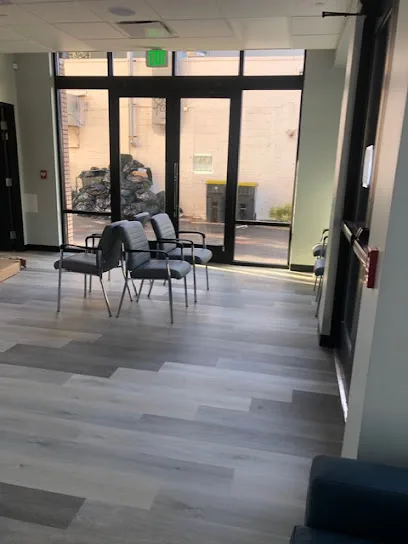
At an urgent-care clinic, the order patients are called may not match the order they arrived. Staff can prioritize a patient whose concern appears more time-sensitive, and patients may need different steps, rooms, equipment, or staff.
Arrival time and clinical priority are different
Urgent care often uses triage: an initial assessment that helps staff identify which patients may need attention sooner. Triage is about clinical priority, not a reward for arriving early or a guarantee of a precise appointment time. A patient with a concern that appears more time-sensitive may be called ahead of someone who checked in earlier.
For example, imagine two people arrive within a few minutes of each other. One may be ready for the next stage after a brief assessment, while the other needs a clinician to evaluate a more pressing concern. The later arrival could be called first because the immediate clinical circumstances differ.
A clinic visit moves through several steps
Checking in and receiving a clinical assessment are separate parts of a visit. Registration gathers administrative information; an initial assessment helps determine what attention may be needed. Completing registration does not necessarily mean a patient is next for a room or clinician, because the next clinical step depends on the visit and on which staff or room is available.
Think of the process as several connected stages rather than one line. A patient may be waiting for an assessment, another may have completed that assessment and be waiting for a room, and a third may be with a clinician. The person who arrived earlier could therefore be at a different point in the process, not simply waiting behind everyone who came later.
Clinics also share resources. A room may be occupied, a staff member may be completing another patient’s visit, or equipment may be needed for a particular next step. When one resource becomes available, it may fit one patient’s needs but not another’s. This is why the apparent pace of the waiting room can change even if no one has been overlooked.
Different visits may need different resources
Not every urgent-care visit follows the same route. One patient may need an evaluation and conversation with a clinician; another may need a test or procedure as part of the visit. These paths can take different amounts of time.
Being called does not always mean someone is beginning the same stage you are waiting for. A patient might be moving to an assessment or another part of the clinic’s process, rather than skipping ahead to the same clinician encounter. From the waiting area, these distinctions may not be visible, so counting who entered or left a room is not a reliable way to estimate your own place.
Ask questions that clarify your place in the process
A useful question is whether you have completed both registration and the initial clinical assessment. The answer can clarify whether you are waiting for administrative check-in, an assessment, or a later step. You can also ask what stage comes next for your visit; staff may be able to explain the process even when they cannot give an exact time.
- “Have I completed the initial clinical assessment, or am I still waiting for it?”
- “What is the next step in my visit?”
- “If I need to leave, what should I do first?”
If your plans depend on the delay, ask whether the estimate has changed and what the clinic’s process is if you need to leave. Wait estimates can shift as patient needs and resource availability change, so an updated estimate is more useful than assuming the original one still applies.
Baptist Health Urgent Care | Brickell is one local option for urgent care in Miami: Baptist Health Urgent Care | Brickell.