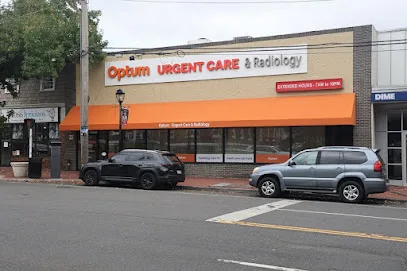
When urgent care is the right choice
For many non-life-threatening problems, urgent care offers an effective middle step between self-care and the emergency department. Northwell Health-GoHealth Urgent Care is designed for conditions that usually need prompt assessment but do not typically require the resources of a hospital emergency room. Common reasons people seek urgent care include fever or flu-like symptoms, sore throat, mild to moderate infections, minor cuts that may need treatment, and medical issues that should be evaluated soon—especially when primary care is not available.
Choosing the right setting can also reduce delays. If symptoms suggest a medical emergency, the emergency department is the safer option.
Urgent care vs. the ER vs. primary care
Use this general guidance to decide where to go:
- Go to the emergency department for severe or worsening symptoms, trouble breathing, chest pain, signs of stroke, uncontrolled bleeding, severe allergic reactions, or any situation where you believe immediate life-saving care is needed.
- Consider urgent care for problems that are concerning but stable, such as manageable pain, minor injuries, symptoms consistent with common infections, or conditions that may require diagnostic testing and on-site treatment.
- Use primary care for ongoing conditions that can usually be handled through scheduled visits, care coordination, or longer-term treatment plans.
Because each person’s symptoms are unique, this guidance is not a substitute for professional medical advice. When in doubt, contacting the clinic or seeking emergency care for red-flag symptoms is appropriate.
What Northwell Health-GoHealth Urgent Care typically offers
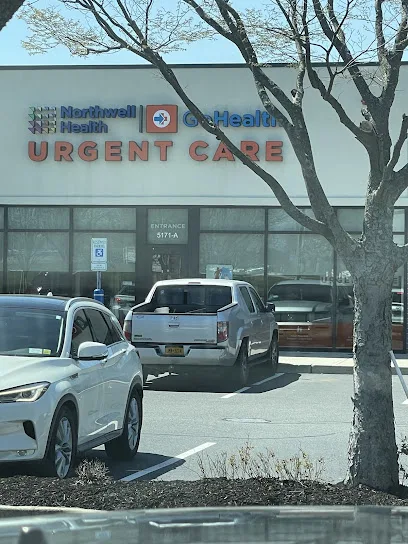
Northwell Health-GoHealth Urgent Care is a walk-in clinic in the Long Island area. Services commonly available at this type of urgent care visit may include diagnostic testing and treatment for everyday conditions. On-site care can be especially helpful when a clinician needs to examine symptoms and decide quickly whether medication, wound care, or additional testing is needed.
- Walk-in visits for patients who need same-day or near-term evaluation
- On-site X-ray services when imaging is needed for certain injuries or suspected issues
- Lab testing to evaluate infections and other concerns
- Stitches and wound care for minor cuts that require medical treatment
- COVID-19 and flu testing when respiratory symptoms suggest infection
- IV fluids when clinically indicated for dehydration or symptom support
Insurance, cost, and how to reduce surprise billing
Payment can vary depending on insurance plan, testing ordered, and whether procedures are performed. Patients can generally improve clarity by confirming insurance acceptance and discussing expected costs before or during the visit when possible. Calling ahead can also help reduce uncertainty around wait times and coverage for specific services.
If you do not have insurance, urgent care clinics often still provide clinical evaluation and can explain cash-pay options. It can be useful to bring a method of payment and ask about payment plans or estimates for common services.
For medical decisions, the priority is appropriate clinical care. For financial questions, the clinic billing team or reception can typically provide guidance on next steps.
How to prepare for a faster, smoother visit
To make the visit more efficient, patients can bring or have ready:
- Photo identification and insurance information (if insured)
- Medication list including doses, allergies, and relevant medical history
- Details about symptoms (when they started, severity, and any factors that worsen or improve symptoms)
- Past records if you are being evaluated for a known condition or have had recent testing elsewhere
When respiratory symptoms are present, follow the clinic’s infection-control guidance. During cold and flu seasons, wearing a mask and using hand hygiene reduce spread.
For general education about urgent vs. emergency symptoms, authoritative public health guidance such as CDC health pages and professional references from groups like the AAFP and ACG patients understand typical pathways for evaluation. For example, the CDC provides resources on fever and respiratory illness red flags, and gastroenterology references can outline appropriate pathways for reflux or stomach symptoms that need medical evaluation.
Before you go: quick safety reminders
Seek emergency care immediately for serious warning signs such as severe shortness of breath, chest pain, signs of stroke, heavy or uncontrolled bleeding, or anaphylaxis. If symptoms are stable but still require timely evaluation, urgent care can be an appropriate first stop—particularly when on-site testing such as lab work or imaging is needed.
For best results, patients should communicate symptom changes clearly, report all allergies, and follow discharge instructions carefully. If symptoms worsen after the visit, contacting the clinic or seeking emergency evaluation is appropriate.